Introduction
Working at height is essential to many industries, including construction, maintenance, and warehousing. However, it carries inherent risks, with falls from height being one of the leading causes of workplace injuries and fatalities. To mitigate these risks, the Work at Height Regulations 2005 were introduced in the UK and enforced by the Health and Safety Executive (HSE). These regulations provide clear guidelines to ensure safety while working at height and aim to reduce accidents significantly.
In this guide, we’ll walk through the key principles of these regulations, how to implement them practically, and the best safety practices to follow. Plus, as a bonus, PARRS will guide you in choosing the right equipment to ensure safe working at height.
What is the Work at Height Regulation 2005, and who is it for?
The Work at Height Regulations 2005 are UK legislation designed to protect workers who perform tasks at height and reduce the risks of accidents and fatalities. Introduced to address the high number of falls and injuries in workplaces, the regulation outlines how employers should manage risks and protect workers while working above ground.
This regulation applies to a wide range of tasks, from working on scaffolding and roofs to using ladders and mobile platforms. If you’re an employer, contractor, or responsible for managing work at height, you need to ensure that the work is planned, executed, and supervised safely.
Key Safety Requirements in the Work at Height Regulations 2005
There are several critical steps employers must take to reduce risks when working at height. Here are the main requirements:
- Planning and Organisation
Employers must plan all work at height carefully. This involves deciding if the task can be done without working at height and selecting the safest approach if working at height is necessary. Weather conditions, the height of the task, and the number of workers involved should also be considered. Only trained and competent workers should be assigned to these tasks.
- Risk Assessments
A risk assessment is required before work begins. Employers need to identify potential hazards, such as fragile surfaces, unstable structures, adverse weather, and the risk of falling objects. This helps ensure the appropriate safety measures are in place.
- Selecting the Right Equipment
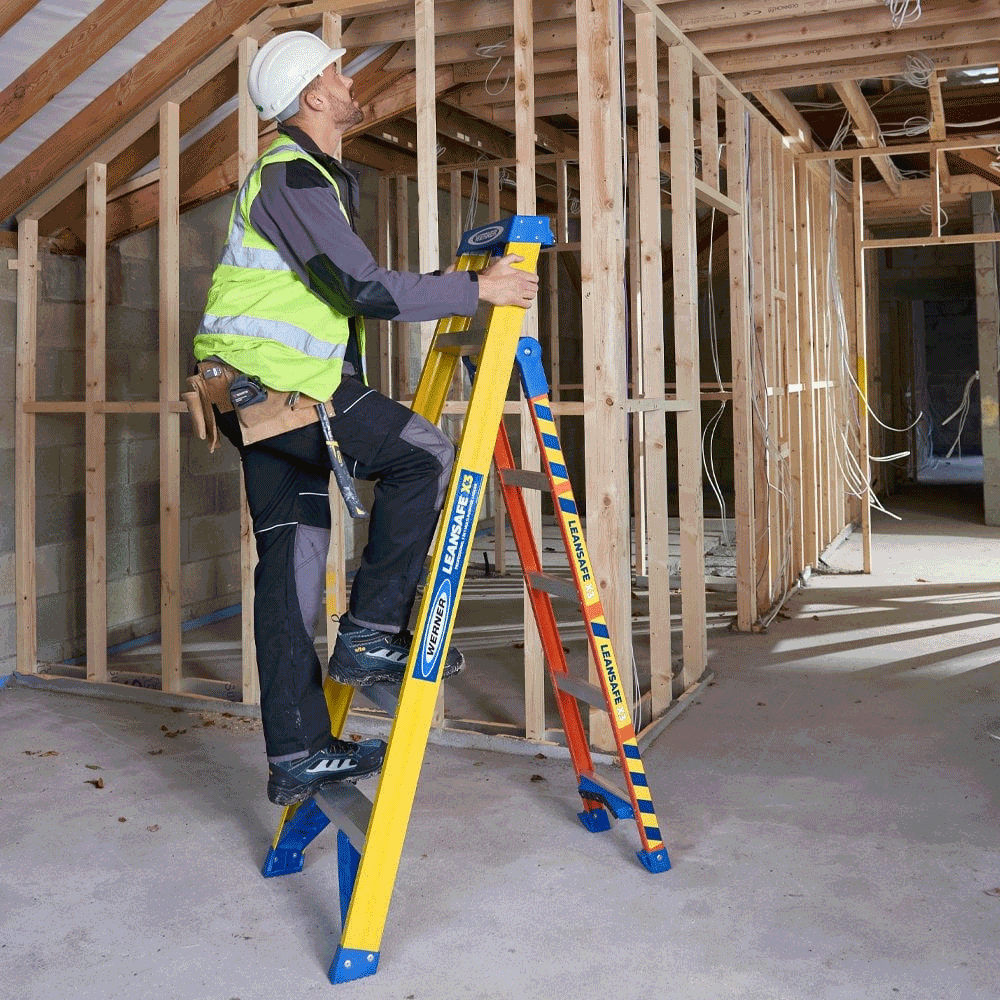
Choosing the correct equipment is vital for safety. Equipment must be stable, well-maintained, and suitable for the task. For short jobs, ladders are generally appropriate, while scaffolding is better for longer tasks. For high-risk tasks, fall arrest systems, such as harnesses, are necessary.
- Inspection and Maintenance of Equipment
All equipment must be regularly inspected to ensure it remains safe to use. Ladders, scaffolding, and PPE (like safety harnesses) should be checked for damage. Any worn-out equipment should be replaced promptly. Documentation of inspections is essential for accountability.
- Training and Competency
Workers should be trained in the correct use of equipment and in recognising potential hazards. They must also know how to respond in case of emergencies. Regular refresher courses will help workers stay up to date on the latest safety protocols.
- Preventing Falls from Fragile Surfaces
When working on fragile surfaces such as old roofs or skylights, additional precautions should be taken. These might include installing guardrails, safety nets, or temporary work platforms. Proper signage should be placed to warn workers of fragile areas.
Collective vs. Personal Protection
The regulations place a strong emphasis on collective protection rather than personal protective equipment (PPE). Collective measures like guardrails, scaffolding, and safety nets offer protection to multiple workers with minimal individual action. PPE, such as helmets and safety harnesses, should be used when collective protection is not feasible.
Legal Responsibilities
Both employers and employees have legal responsibilities under the Work at Height Regulations 2005:
- Employer Responsibilities: Employers must carry out risk assessments, implement safety measures, and provide the necessary equipment and training. Regular inspections and maintenance of equipment are also required.
- Employee Responsibilities: Employees must follow all safety procedures, use equipment correctly, report hazards, and cooperate with safety initiatives.
Choosing the Right Equipment for Work at Height
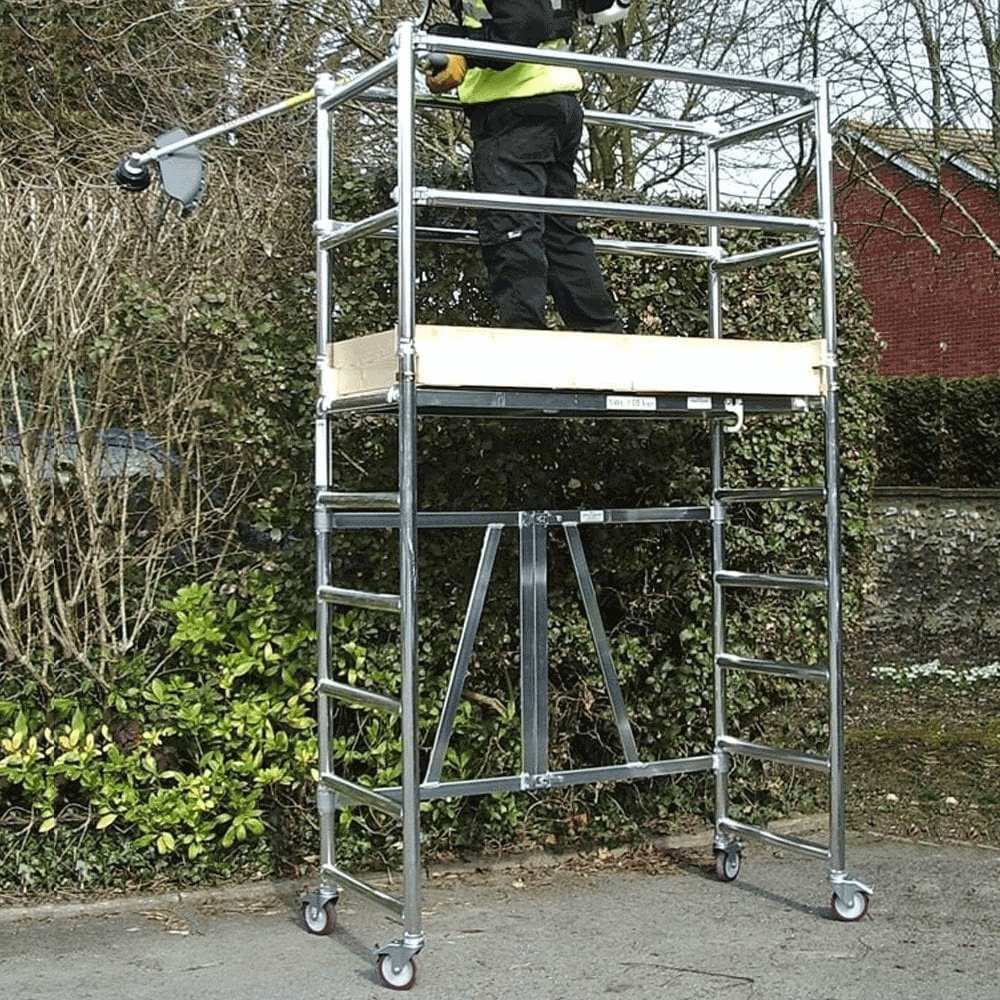
For short tasks (up to 30 minutes), ladders are suitable, while longer tasks (over 30 minutes) require scaffolding or Mobile Elevated Work Platforms (MEWPs). Fall arrest systems are crucial for high-risk tasks to prevent serious injury.
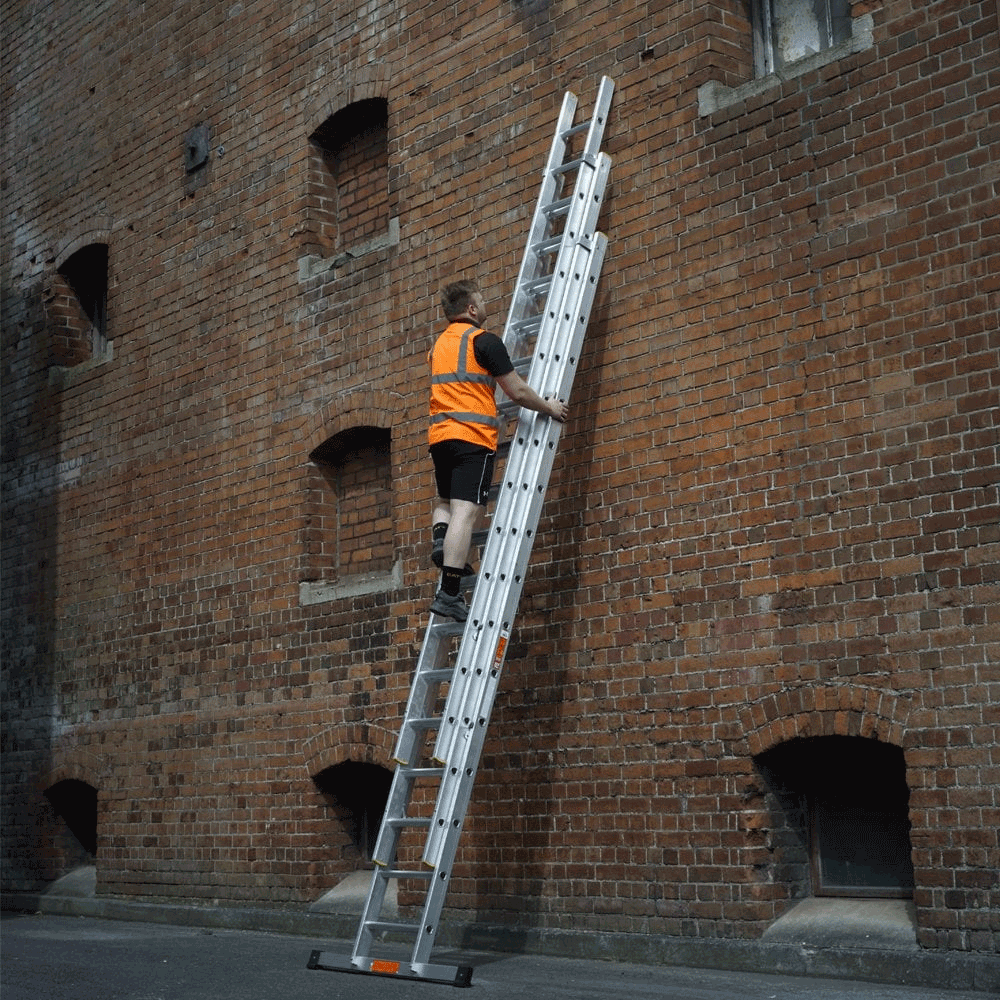
Always choose EN131-certified ladders for safety and durability. At PARRS, we offer a range of certified ladders, towers, and step platforms for both domestic and professional use.
Fall Protection
For tasks at heights of 2 metres or more, fall protection is required. Key measures include:
- Fall Arrest Systems: Harnesses, lanyards, and anchor points that prevent falls or reduce their impact.
- Guardrails and Barriers: Used at platform edges or high-risk areas to stop falls.
- PPE: Helmets, safety boots, and gloves to protect against falling objects and surface injuries.
By choosing the right equipment and fall protection, you can ensure a safer, more secure working environment at height.
Conclusion
Working at height is a necessary part of many jobs, but it can be dangerous if not done correctly. By following the Work at Height Regulations 2005, employers and employees can greatly reduce the risk of falls and create a safer working environment.
At PARRS, we provide high-quality safety equipment that meets British and European standards, ensuring workers stay safe at height. With over 138 years of expertise, we offer durable and certified ladders, step ladders, work platforms, scaffold towers, and essential PPE, including safety boots, helmets, hard hats, and gloves. Trust PARRS for reliable solutions that keep your workplace safe and compliant.
If you need expert advice or help selecting the right equipment for your business, feel free to contact us. We’re here to ensure your workplace remains safe and compliant with all regulations.