
Pallet Trucks & Pump Trucks
-
 1 Review
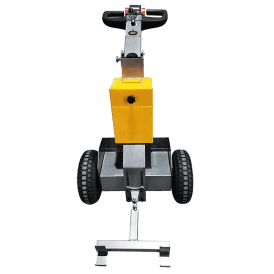
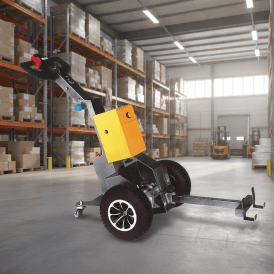
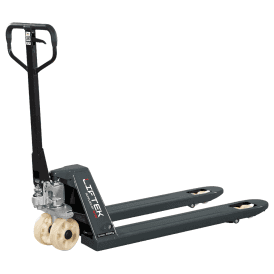
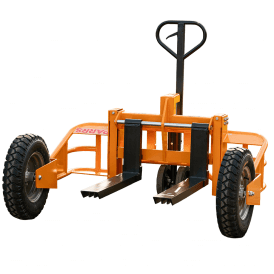
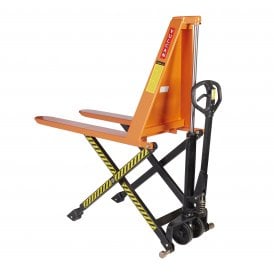

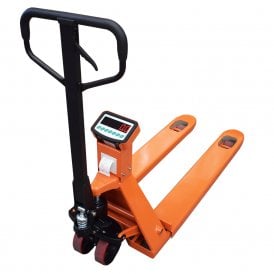
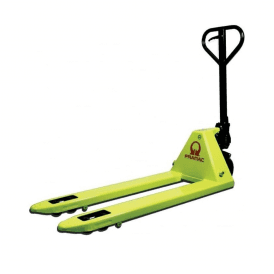

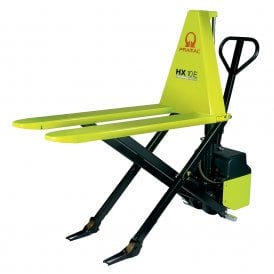
Pallet Truck Q&A's
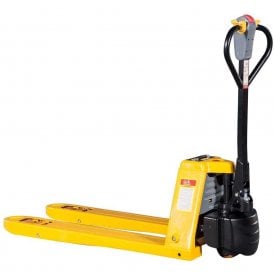
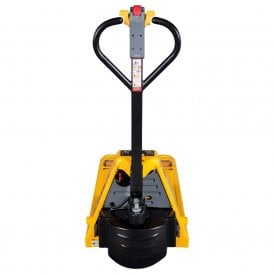
Q: What are Pallet Trucks?
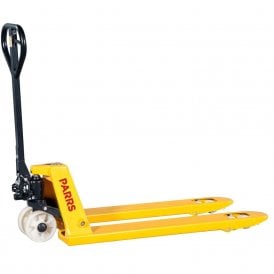
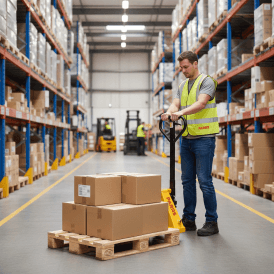
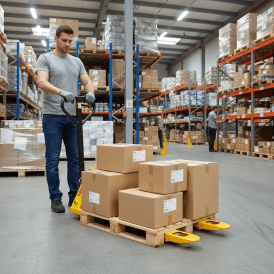
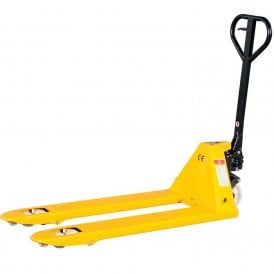
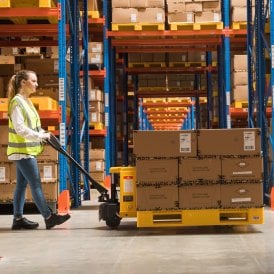
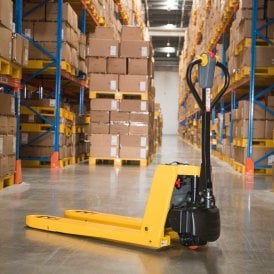
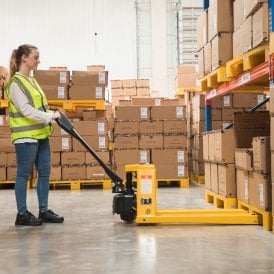
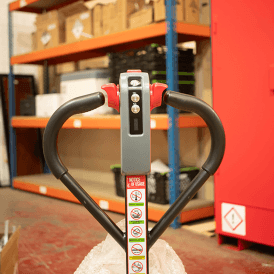
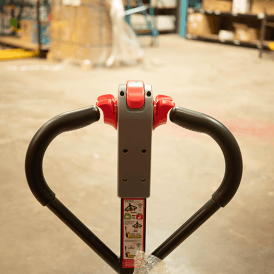
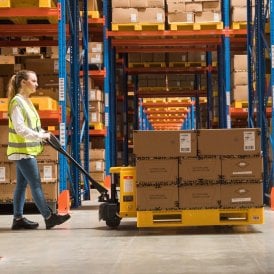
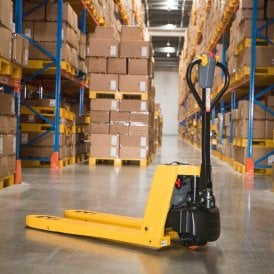
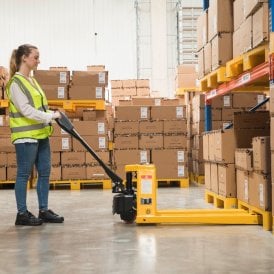
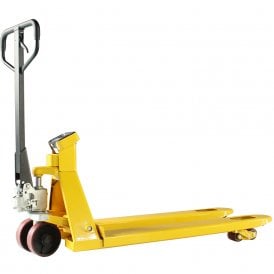
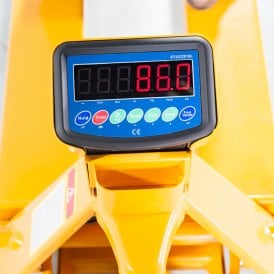
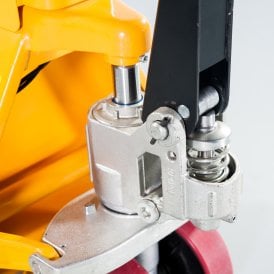
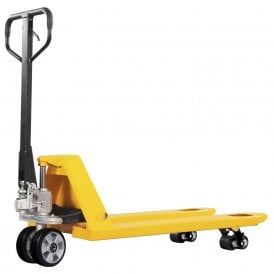
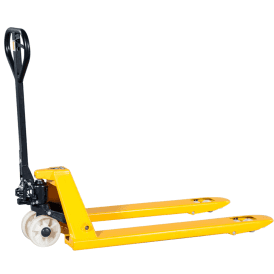
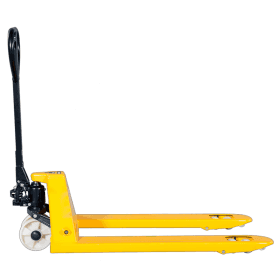
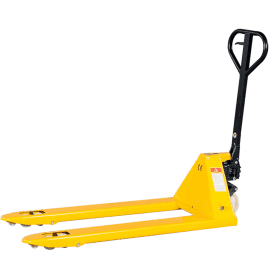
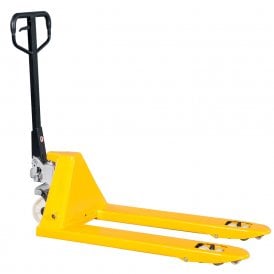
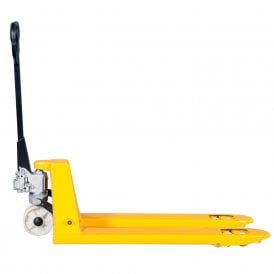
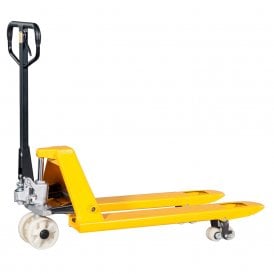
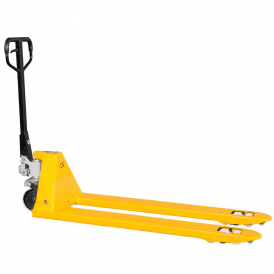
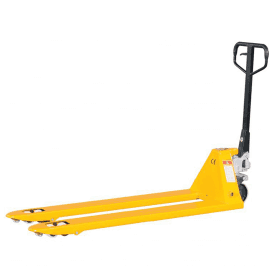
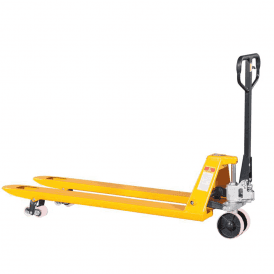
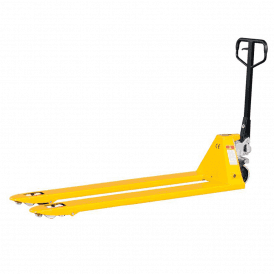
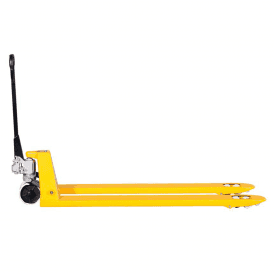
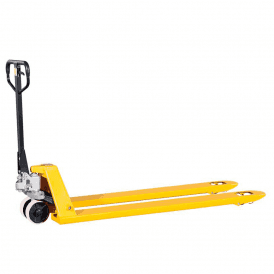
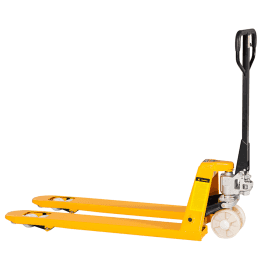
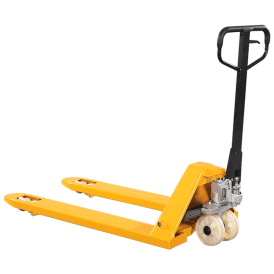
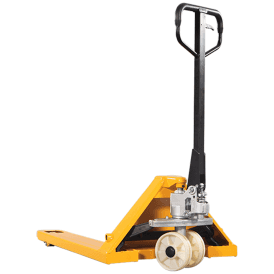
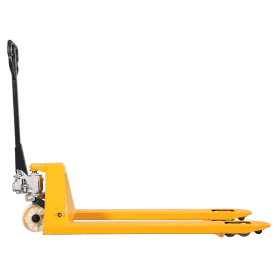
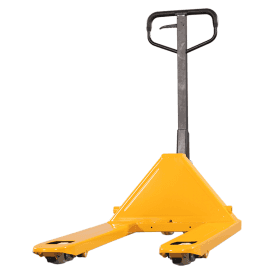
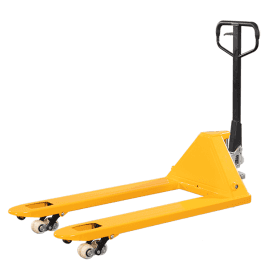
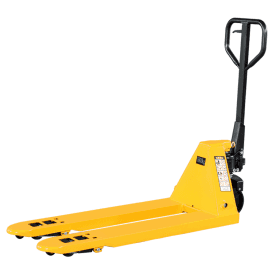
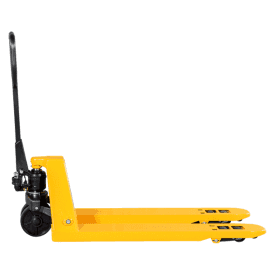
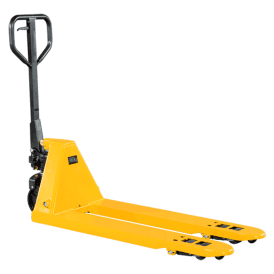
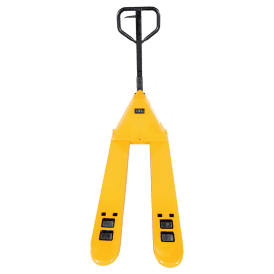
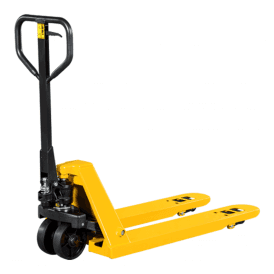
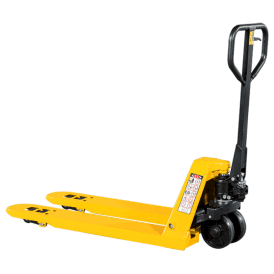
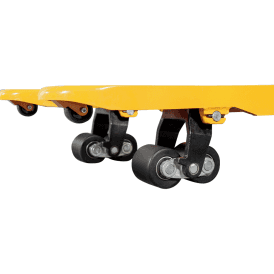
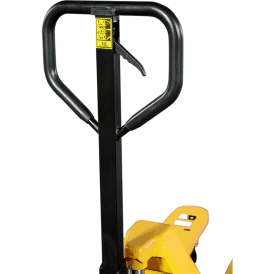
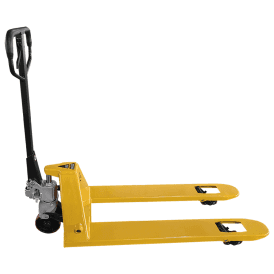
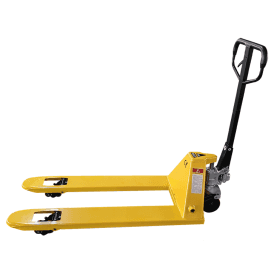
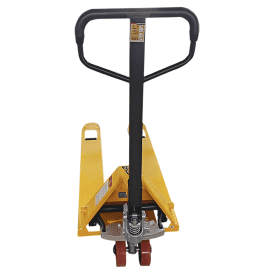
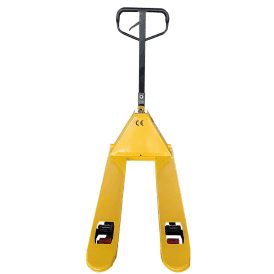
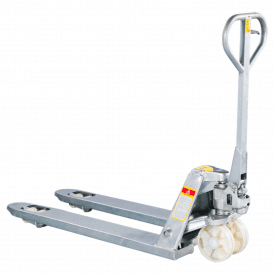
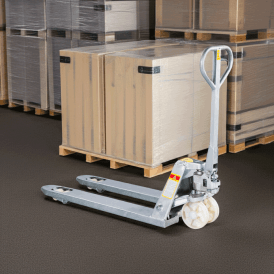
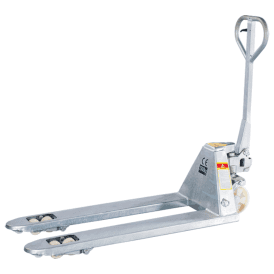
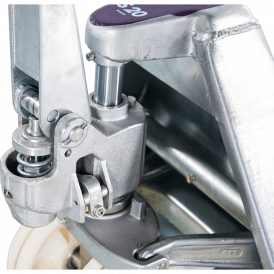
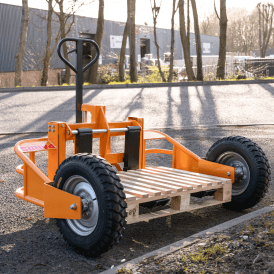
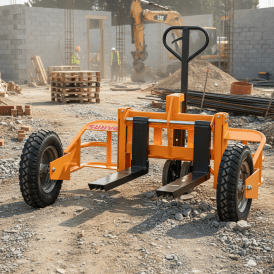
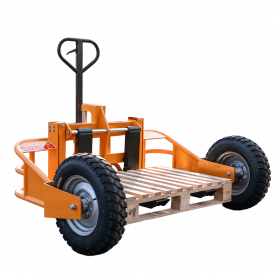
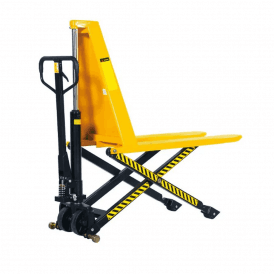
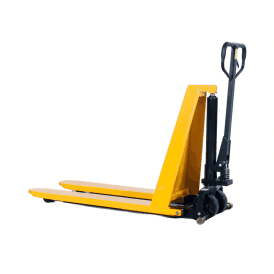
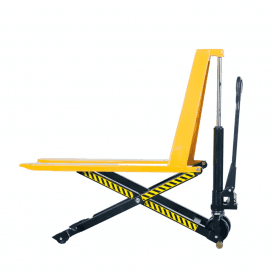
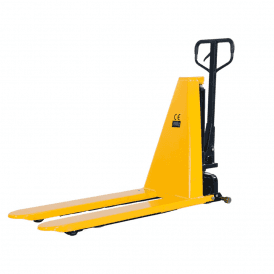
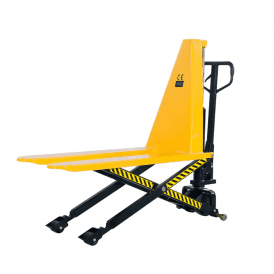
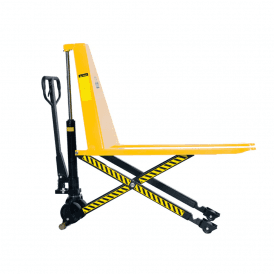
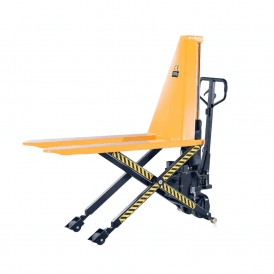
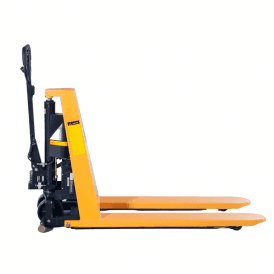
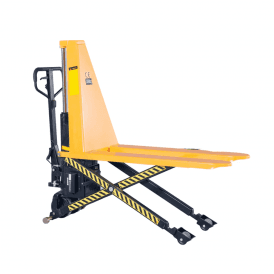
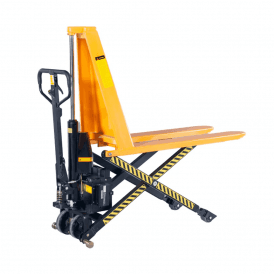
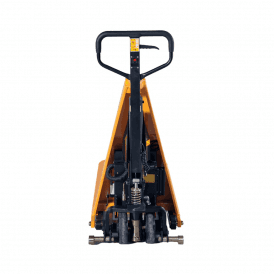
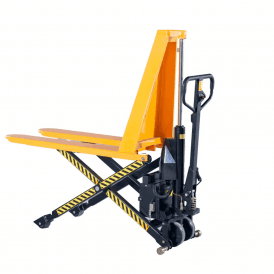
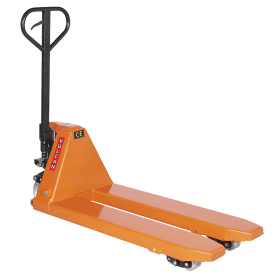
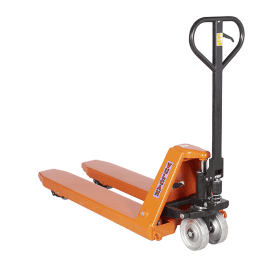
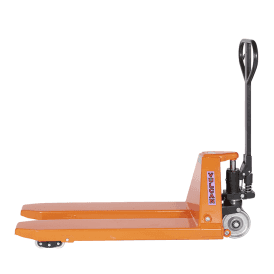
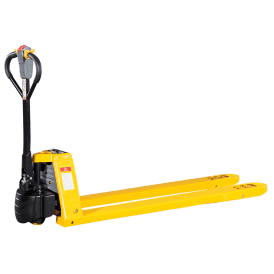
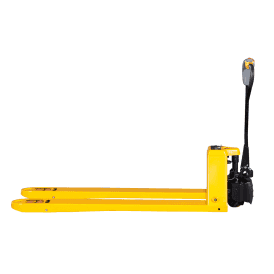
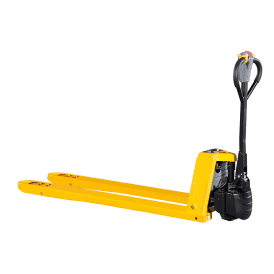
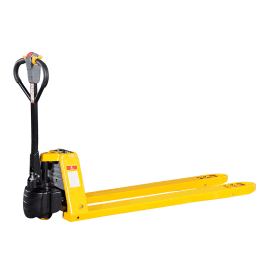
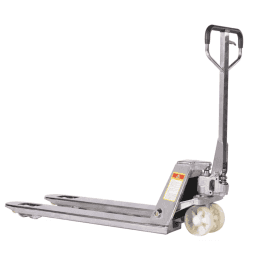
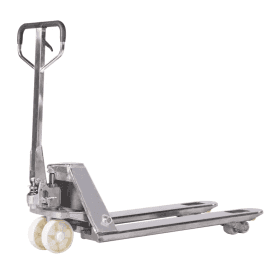
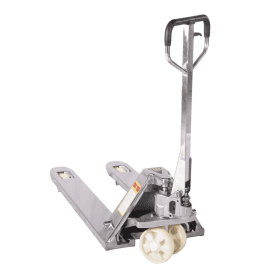
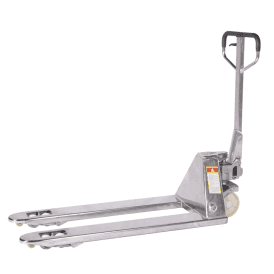
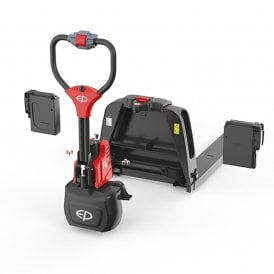
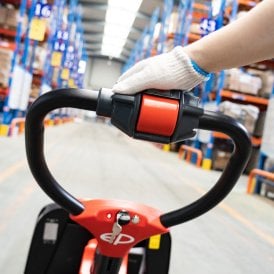
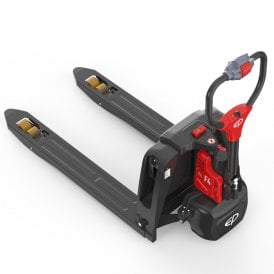
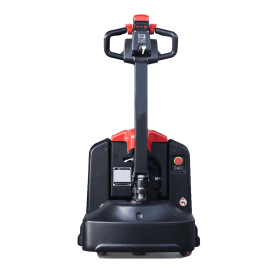
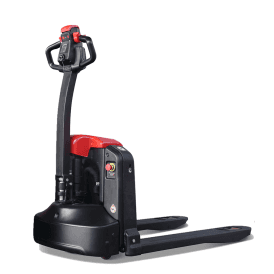
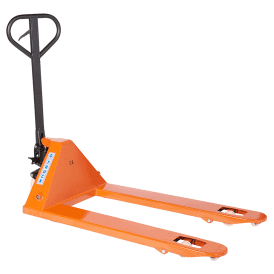
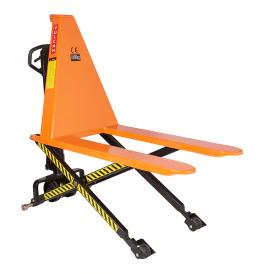
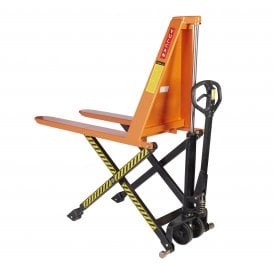
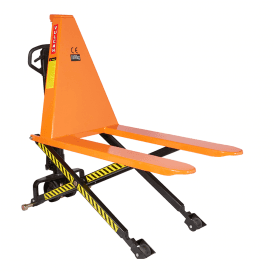
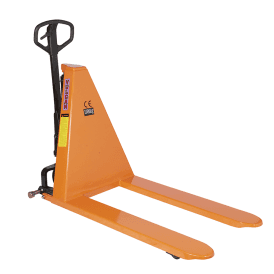
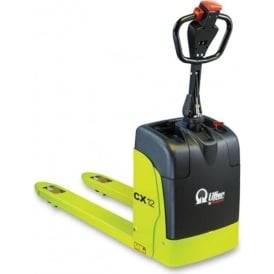
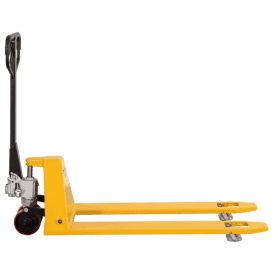
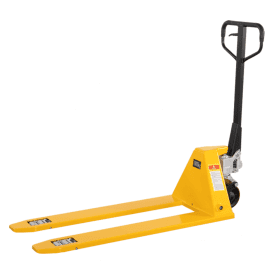
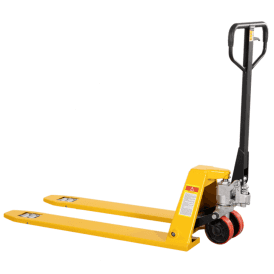
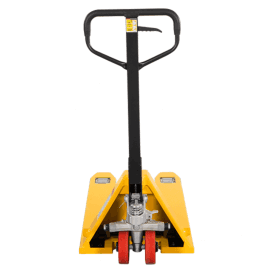
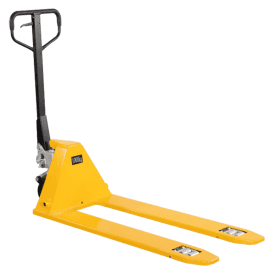
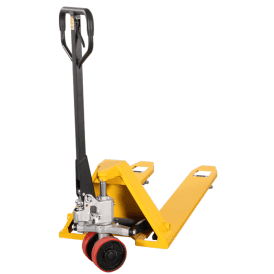
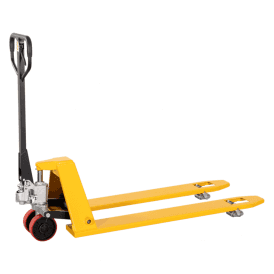
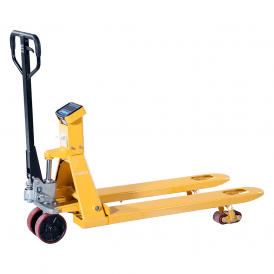
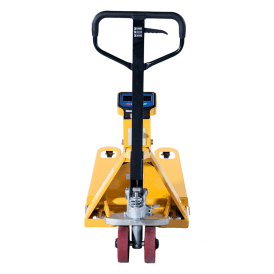
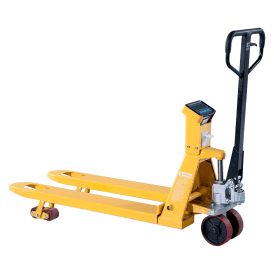
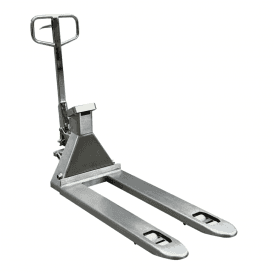
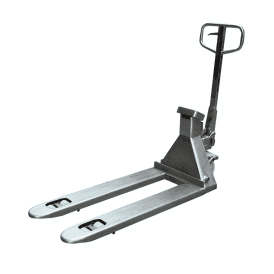
A: Pallet trucks are manual handling devices used to move pallets around a warehouse, workspace or shop. This range of pump trucks features a hydraulic pump handle which allows you to lift the truck to varying heights to unload the pallet. You will also find that our range of pallet trucks have a 3-position trigger handle raise and tapered fork tips and rollers, which allow easy entry and exit of the pallet. The operator can then use the pallet truck to move the pallet by pushing or pulling it.
Q: Which pallet truck is right for my business?
A: When assessing which pallet truck is right for you and your business, you should consider the following points:
-
Considering the weight of the goods you will be transporting is important when identifying the type of pallet truck you should go for. Within our range of pump trucks at PARRS, we have trucks designed to handle weights of up to 2,500kg.
-
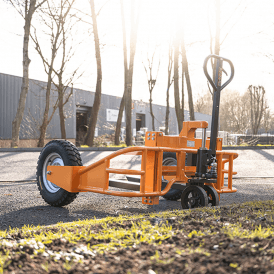
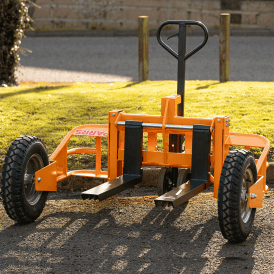
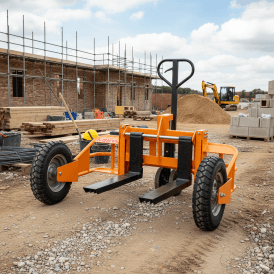
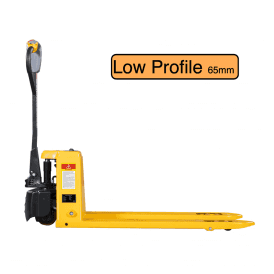
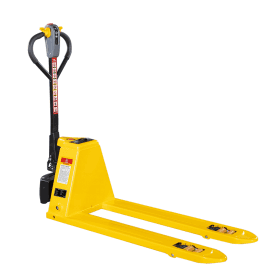
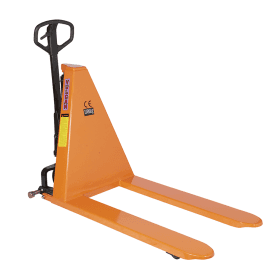
The journey from point A to B. Another consideration point is the type of terrain that you will be using your pallet truck across. Will this be indoors or outdoors, and will the path be easy to transport your pallet truck across? A good example of this would include the use of the low-profile pallet truck, which is designed to move pallets where a lowered height is required to less than the standard 85mm.
Q: Do you need training for a pallet truck?
A: Pallet trucks can be dangerous pieces of machinery and can cause accidents within the workplace. Therefore, employers should supply training on the use of pallet trucks and how to operate them safely. It is not required by law to have specialist training to operate a pallet truck, but understanding the equipment before use is important.
Q: How can you safely use and store a pallet truck?
A: For secure pallet truck operation and storage, follow these essential steps: Thoroughly inspect the pallet truck before use, checking for any damage or malfunctioning parts, ensuring straight forks and smooth hydraulic operation. Adhere strictly to the specified load limit to maintain stability and prevent accidents from overloading. When encountering ramps or inclines, keep the forks elevated 4 – 6 inches above the ground to ensure smooth movement without catching. If equipped, use the brake, especially on slopes, to enhance control and prevent unintended movement. Opt to pull the pallet truck instead of pushing for better control and visibility, reducing accident risks. When storing, secure the pallet truck in a designated area or close to a wall to prevent tripping hazards, ensure forks don't obstruct walkways, maintain workspace safety.
Q: Does a pallet truck fall under LOLER?
A: Pallet trucks, designed for ground-level lifting, typically don't fall under LOLER regulations due to the low risk of load falling. LOLER is required for equipment lifting over 300mm.
Q: Do pallet trucks come under PUWER?
A: Pallet trucks lifting below 300mm require PUWER inspection only. PUWER is 'The Provision and Use of Work Equipment Regulations'. It covers inspection, installation, maintenance, and suitability of work equipment.
Q: What PPE is necessary when using a pallet truck?
A: Prioritize safety by wearing heavy gloves, safety glasses, and steel-toed footwear. Park the truck safely and keep the handle raised to prevent tripping hazards.
Q: How high can a pallet jack lift?
A: Depending on the type, pallet jacks can typically lift pallets anywhere from 75mm to 200 mm high.
Q: What else is a Pallet Truck known as?
A: A pallet truck is also known as a pallet jack, pallet pump, or pump truck, commonly used for moving pallets in warehouses, factories, retail RDC, and logistic vehicles.
Q: When would you use a pallet truck?
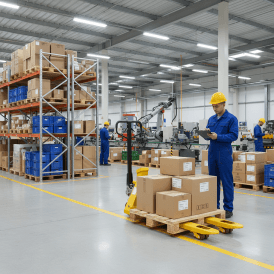
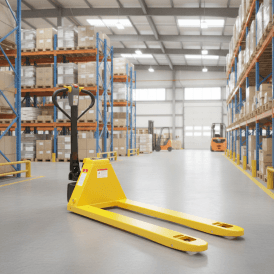
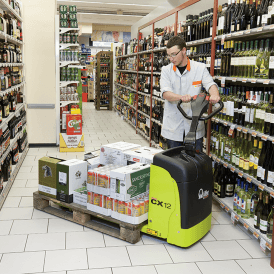
A: Pallet trucks are ideal for warehouse environments to efficiently move pallets and palletised loads.
Q: What maintenance is required for a hand pallet truck?
A: Conduct daily pre-shift inspections for loose, leaking, or damaged components, ensuring any issues are addressed promptly.
Q: What distinguishes a pallet stacker from a pallet truck?
A: Pallet stackers have higher lift capacities and can reach heights of up to 150 inches, allowing for pallet movement to higher racks or loading onto trucks without a dock.
Q: How to operate an electric pallet truck step by step?
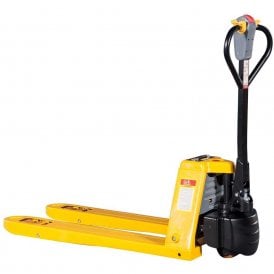
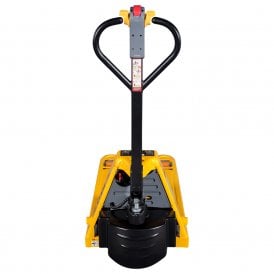
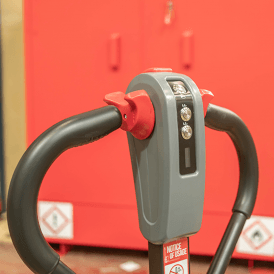
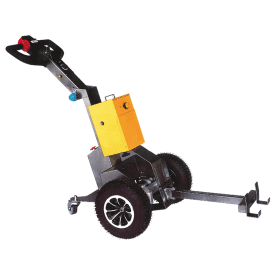
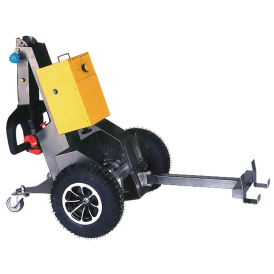
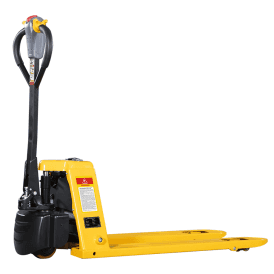
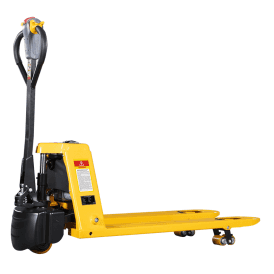
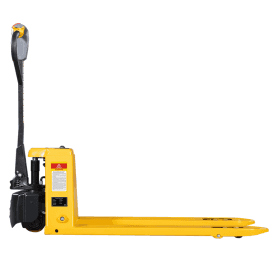
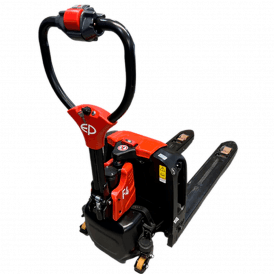
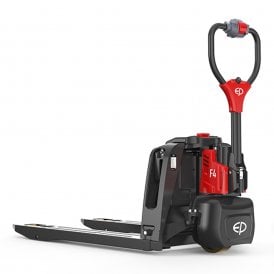
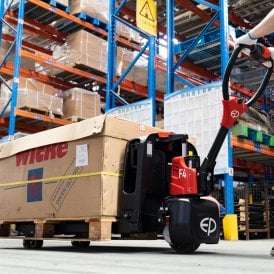
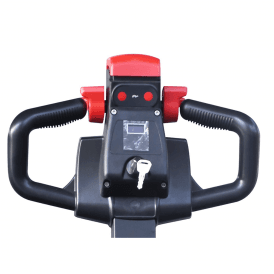
A: Operating an electric pallet truck involves a few key steps: Firstly, ensure it's disconnected from the charger and lower the forks using the handle. Next, use the controls to navigate, pressing forward for movement and reverse to go backwards. Align the forks with the pallet and lift the load using the controls. Accelerate with the handle and forward button. Before lowering the forks completely, make sure to stop. Lastly, reverse to remove the forks from the pallet, and your pallet truck is ready for the next task.
Q: Manual Pallet Trucks or Powered Pallet Trucks: Which is better?
A: Discover the ideal pallet truck for your needs by reading PARRS' comprehensive blog post comparing manual and powered options. Gain insights into their advantages, limitations, and suitability for various tasks. Make an informed decision to enhance efficiency and safety in your workplace.
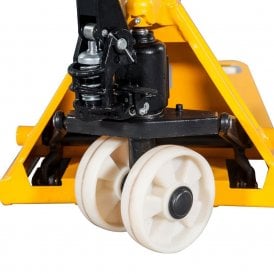
Q: What is the difference between a single roller pallet truck and a double roller pallet truck?
A: The difference between a single roller pallet truck and a double roller pallet truck is the number of load rollers under each fork and how they perform in use.
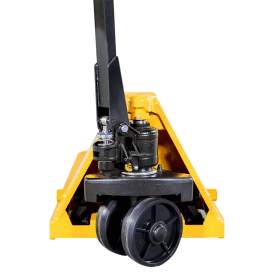
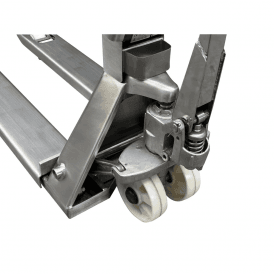
A single roller pallet truck has one roller per fork. It is best for smooth, level floors and lighter loads. These trucks are easier to manoeuvre in tight spaces and work well for side-loading pallets, but they are less stable on uneven surfaces.
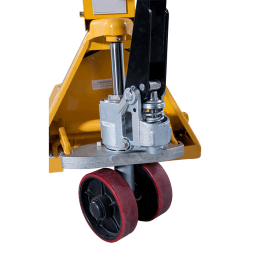
A double roller (tandem) pallet truck has two rollers per fork, which spreads the weight more evenly. This makes it better for heavier pallets and for moving over uneven floors, door thresholds, and dock plates. It offers greater stability and smoother movement, though it is slightly less agile in confined areas.
Q: How do I safely operate a pallet truck?
A: Follow the simple instructions below on how to operate your pallet truck;
- Ensure the area where you will be using the pallet truck is clear and free from obstacles.
- Position the pallet truck next to the pallet you want to move.
- Push the forks of the pallet truck underneath the pallet, these need to be evenly spaced and centred on the pallet.
- Flick the lever on the handle down and pump the handle up and down several times until the pallet is clear of the ground.
- Once the pallet is lifted off the ground, use the handle to steer the pallet truck in the required direction.
- To lower the pallet truck hold the lever on the handle up and the forks will lower placing the pallet firm on the ground.
When operating any pallet truck familiarise yourself with the specific model you are using, and follow the manufacturer's instructions for safe operation that are supplied with every pallet truck.
Q: What are the main benefits of using a PARRS pallet truck?
A: Pallet trucks are a convenient and efficient way to move heavy pallets in a warehouse or factory environment. Here are a few of the benefits of using pallet trucks;
- Cost savings: Using pallet trucks can help reduce the number of workers needed to move heavy pallets, saving money on labour costs.
- Improved ergonomics: Pallet trucks are designed to make it easier to move heavy pallets, reducing back strain for the user.
- Increased productivity: Using a pallet truck makes it easier to move heavy pallets around the site which in turn helps the workers become more efficient and get more done in less time.
- Improved safety: Pallet trucks can help prevent workplace injuries by allowing the user to move heavy pallets without manual exsertion.
- Better organisation: Pallet trucks can help keep warehouses and other business environments more organised, which can improve overall efficiency.