Manual handling is a crucial part of many jobs, especially in industries where heavy or awkward items need to be moved regularly. Keeping your employees safe and complying with UK regulations is essential, and one of the best ways to achieve this is by using the right manual handling equipment. This guide will take you through what manual handling involves, the different types of equipment available, and how to choose and maintain these tools properly.
What is Manual Handling?
Manual handling involves any task that requires lifting, lowering, pushing, pulling, or carrying items by hand or with physical effort. It’s something that happens in many workplaces, but if done incorrectly, it can lead to serious injuries like strains, sprains, or long-term musculoskeletal problems. Understanding the risks and how to reduce them is key to creating a safer working environment for everyone.
What is Manual Handling Equipment and How is it Used?
Manual handling equipment includes various tools that make it easier and safer to move goods. These tools are designed to reduce the physical strain on workers and help prevent injuries. Here’s a look at some common types of manual handling equipment:
- Sack Trucks: Perfect for moving boxes, office supplies, or heavier items over short distances. Sack trucks help distribute the load, making it easier to transport goods without straining your back. For help choosing the right sack truck for your business, read our blog post, The Ultimate Guide to Choosing the Right Sack Truck.
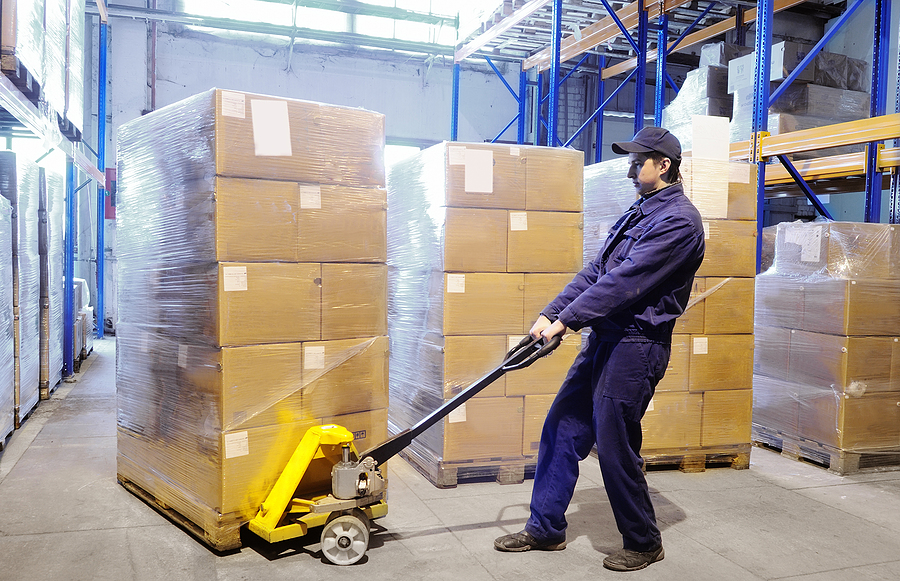
- Pallet Trucks: Essential for moving wooden or plastic pallets in warehouses. Pallet trucks make it simple to move large amounts of goods quickly and efficiently. Discover more in our blog post, Maximising Productivity: How PARRS’ Pallet Trucks Revolutionise Workplaces.
- Trucks, Trolleys, and Dollies: These are versatile tools that help move various items around the workplace, whether in an office or a warehouse setting.
- Forklift Truck Attachments: These attachments can be added to forklifts to help move heavy loads more efficiently. For example, floor sweepers or fork-mounted magnets can make specific tasks quicker and safer.
- Roll Pallets, Pallets, and Pallet Boxes: Designed for heavy-duty work, these are essential for securely moving goods around and improving productivity in busy environments.
- Lift Tables: These provide an adjustable platform for lifting heavy items, which is especially useful in workshops and production lines where ergonomic working conditions are important.
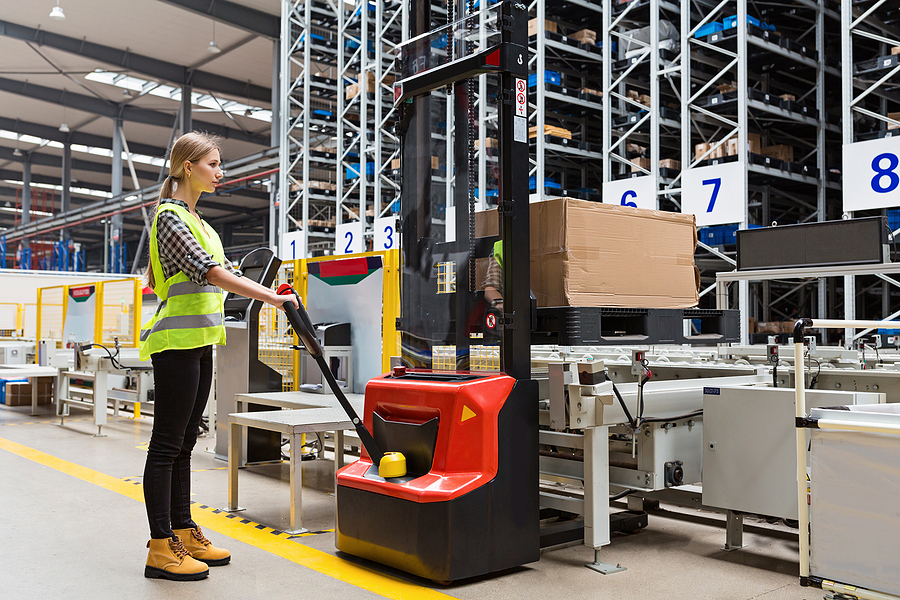
- Stackers: Used for stacking and moving goods onto shelves, these tools are great for reducing the risk of injury when lifting items to various heights.
- Suction Lifters: Ideal for safely lifting and moving large, flat materials like glass or metal sheets, helping to prevent damage and injuries.
To learn more about choosing the right manual handling equipment for your workplace, check out our article, “Essential Manual Handling Equipment List for Your Workplace.“
Where is Manual Handling Equipment Most Commonly Used?
Manual handling equipment is used in many different workplaces, wherever heavy or awkward loads need to be moved frequently. Here are a few common places where manual handling equipment is often used:
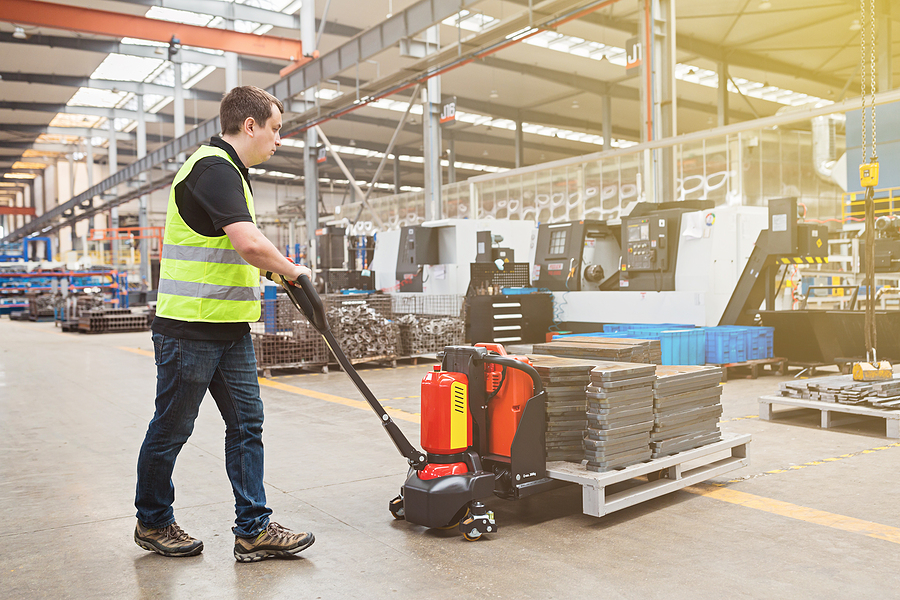
- Warehouses and Factories: Essential for handling pallets, machinery parts, and large boxes, ensuring operations run smoothly and safely.
- Garden Centres and Nurseries: Useful for moving plants, soil, and gardening tools, making heavy loads easier to manage.
- Hospitals and Care Homes: Necessary for safely moving medical equipment, reducing the risk of injury to staff.
- Ports and Shipping Yards: Crucial for loading and unloading goods, helping to streamline operations.
- Mechanical Workshops: Vital for lifting engines, tools, and other heavy components, improving both efficiency and safety.
Why Manual Handling Matters
Manual handling is a major factor in workplace safety. Using the wrong techniques or not having the right equipment can lead to injuries, disrupt work, and cause expensive downtime. Moreover, UK law requires employers to assess and manage the risks of manual handling under the Manual Handling Operations Regulations 1992. By using the appropriate equipment, businesses can minimise these risks, protect their workforce, and improve overall efficiency.
How to Choose the Right Manual Handling Equipment
- Type of Load: Consider what you’ll be moving – its weight, shape, and whether it’s fragile or oversized. Different loads may need specialised equipment.
- Work Environment: Think about the space where the equipment will be used, including floor conditions, storage areas, and any obstacles or hazards.
- Frequency of Use: If the tasks are performed often, you’ll need more durable and robust equipment that can handle regular, heavy-duty operations.
- Employee Capabilities: Ensure the equipment is easy to use and suits the physical capabilities of your team. The goal is to make their jobs safer and easier, not harder.
How Often Should Manual Handling Equipment Be Inspected?
As an employer, it’s your legal duty to ensure your employees have the right lifting equipment and are trained to use it safely. Manual handling tools like sack trucks and trolleys must be inspected regularly. Replace any equipment showing signs of damage or wear.
For equipment lifting people, inspections should be done every six months. For equipment lifting only goods, inspections should occur every 12 months. These checks should be performed by a ‘competent person’—someone with the necessary training and experience, as defined by the Health and Safety Executive (HSE).
Track and document every inspection, repair, and maintenance activity. Follow any more frequent inspection schedules recommended by the manufacturer. Neglecting proper maintenance or using equipment improperly can lead to serious legal and financial consequences.
The Importance of Regular Inspections
Routine inspections help catch wear and tear or potential faults early, preventing accidents or equipment failure. Keeping detailed records of inspections, maintenance, and repairs is also vital for staying compliant with health and safety regulations. Regular checks help protect your workforce and avoid costly downtime and legal issues.
Why Choose PARRS for Your Manual Handling Equipment?
When it comes to manual handling equipment, PARRS stands out with 138 years of experience in the UK market. Our extensive expertise makes us a trusted choice for businesses looking for reliable tools to improve workplace safety and efficiency.
At PARRS, we provide a comprehensive selection of manual handling tools, including sack trucks, pallet trucks, and more. Each of our products undergoes thorough testing to ensure they meet the highest safety standards, giving you peace of mind that they are both durable and effective.
Manual handling equipment plays a crucial role in reducing the risk of injury and helping businesses comply with Health and Safety Executive (HSE) guidelines. However, many workplaces overlook essential inspection and maintenance practices, which can lead to serious accidents.
By choosing PARRS, you minimise these risks. Our products come with a minimum three-year guarantee, reflecting our commitment to quality and reliability. Our long-standing relationships with top brands such as EXPRESSO and RAVENDO further ensure that you receive only the best equipment, as we are the exclusive UK distributor for these renowned brands.
Our long history in the industry and our dedication to customer satisfaction make PARRS the ideal partner for all your manual handling needs. Explore our range and experience the benefits of top-quality equipment that keeps your workplace safe and efficient.
What sets us apart from the competition? We offer FREE next-day delivery on orders over £150 ex. VAT for stocked items and provide a minimum 3-year guarantee on all products. We’re also rated 5 stars on Feefo, so you know you can trust us.
Need advice on choosing the right manual handling equipment? Our expert team is here to help. Get in touch with us or use the live chat on our website for guidance.
Conclusion
Investing in the right manual handling equipment is essential for ensuring workplace safety and efficiency. By choosing high-quality tools from a trusted supplier like PARRS, you can protect your employees, meet legal requirements, and improve your business operations. Explore our extensive range of manual handling equipment today and equip your workplace with the best tools for the job.