
Traffic Cones & Posts
-
 1 Review



TRAFFIC CONES & POSTS's Q & A
Q: What is a traffic cone?
A: A traffic cone is a conical marker used to signify construction zones, restricted areas, or temporary changes in traffic patterns.
Q: What are traffic cones used for?
A: Traffic cones are primarily used to manage traffic flow, enhance safety, and mark off specific areas. They are also popular in sports training and event management.
Q: What types of traffic cones are available at PARRS?
A: At PARRS, we offer a variety of traffic cones to suit different needs:
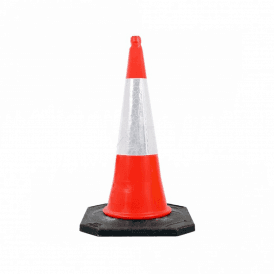
- Traffic Cone One Piece (750mm): This cone features a sealed moulded base for sand weighting, a tear-resistant sleeve, and is stackable for easy storage.
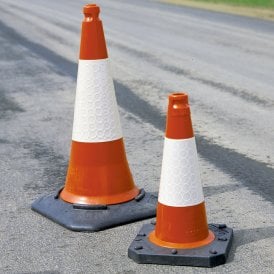
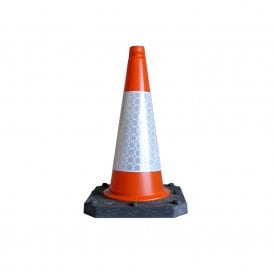
- MORAVIA Traffic Cones (460mm - 1000mm): Available in a range of sizes to accommodate various applications.
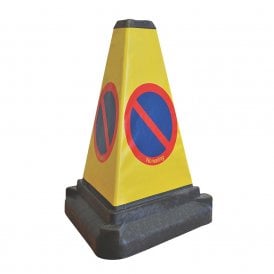
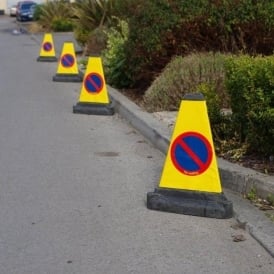
- No Waiting Traffic Cone (500mm): Made from durable recycled PVC, it includes a yellow reflective sleeve, a weighted base for stability, and displays the "No Waiting" emblem on all sides.
Q: What are the applications of traffic cones?
A: Traffic cones are used in numerous environments, including road construction, accident scenes, parking lots, sports venues, and schools. They help direct traffic, mark no-entry zones, and ensure the safety of pedestrians and workers.
Q: How should traffic cones be stored?
A: Store traffic cones in a cool, dry location to prevent damage. Larger cones can be stacked, while smaller ones can be nested to save space.
Q: How should traffic cones be maintained?
A: Regularly clean traffic cones with mild soap and water to keep their colour vibrant and maintain reflectivity. Check for cracks, fading, or other damage, and repair or replace them as needed.
Q: What do different coloured traffic cones signify in the UK?
A: In the UK, various coloured traffic cones convey specific messages:
- Fluorescent Orange-Red: Used to indicate hazards or to redirect traffic.
- Fluorescent Yellow-Green: Instructs drivers to pass obstacles on the left side.
- Yellow and White: Signifies that stopping is not allowed.
- Blue and White: Alerts drivers to overhead obstructions.
- Green and White: Marks entrances to worksites from live roads.
Q: What are the regulations for traffic cones in the UK?
A: Traffic cones must be at least 750mm tall with a base diameter of 380mm, adhering to specific size and reflectivity standards to ensure safety compliance.
Q: How are traffic cones installed?
A: Traffic cones are simply placed on the ground, often with weighted bases to prevent tipping in windy conditions.
Q: What is the difference between traffic cones and traffic posts?
A: Traffic cones and traffic posts serve different purposes and have distinct features:
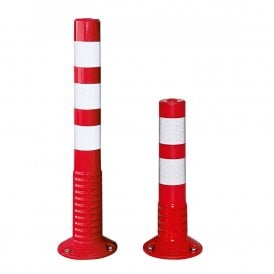
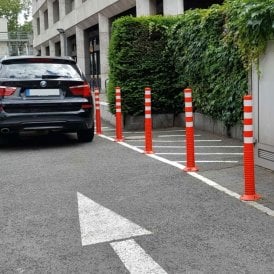
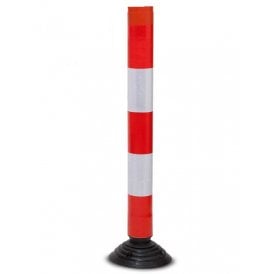
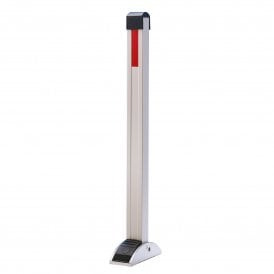
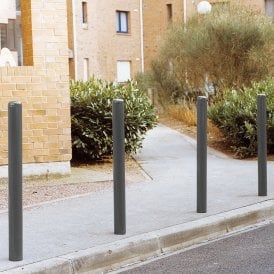
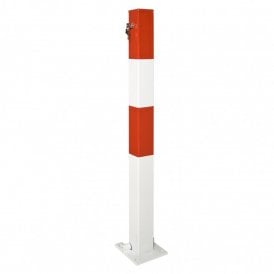
- Shape: Traffic cones have a wide, conical design that provides stability, while traffic posts are slimmer and can be flexible or rigid.
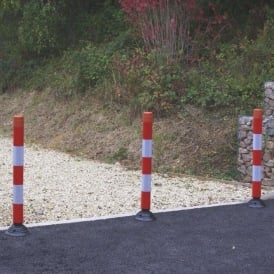
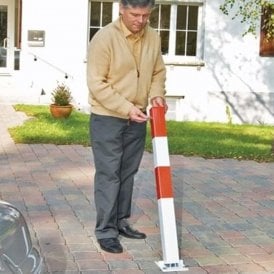
- Uses: Cones are versatile tools used in construction, events, and parking, whereas traffic posts mainly mark boundaries or guide road deviations.
- Colours: Traffic cones are typically fluorescent orange but can also be found in yellow, red, and lime green. In contrast, traffic posts come in colours like orange, yellow, black, and white, often with reflective sleeves for visibility.
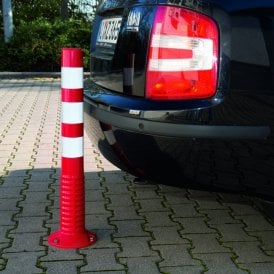
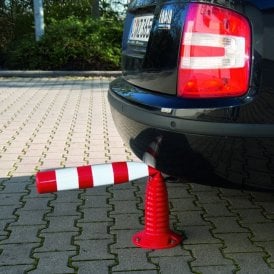
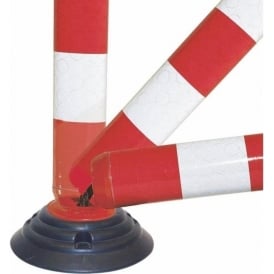
- Stability: Weighted traffic cones remain stable in high-traffic areas, while flexible traffic posts can bounce back into position if knocked over.