
Mobile Warehouse Steps
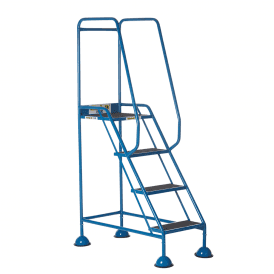
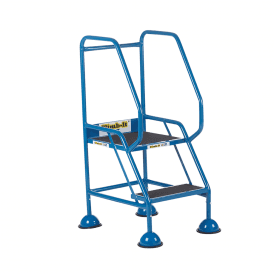
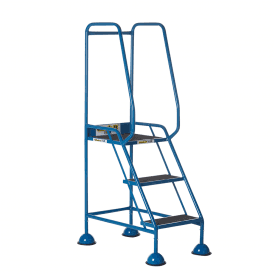
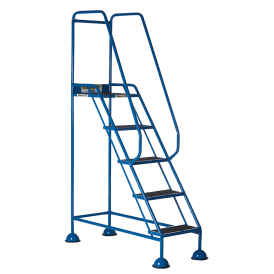
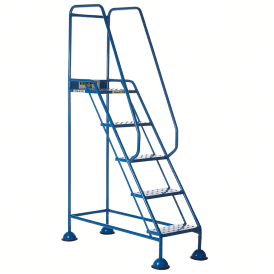
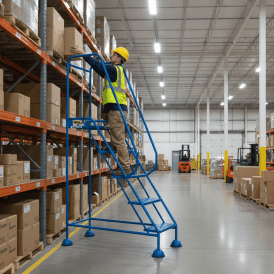
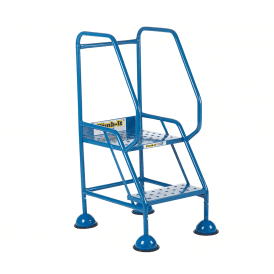
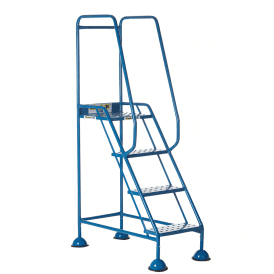
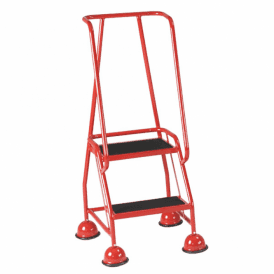
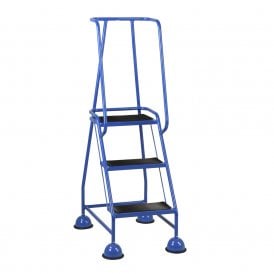
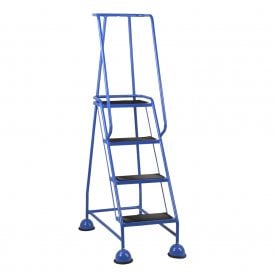
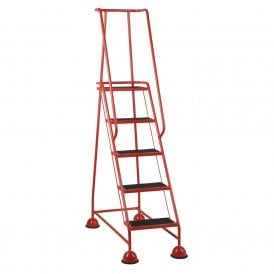
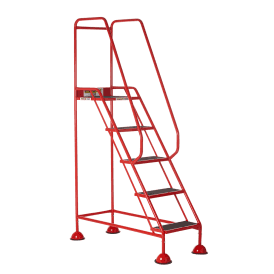
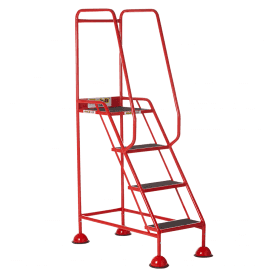
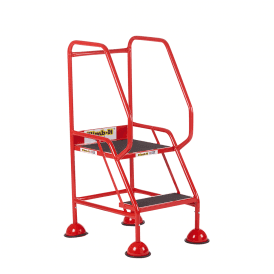
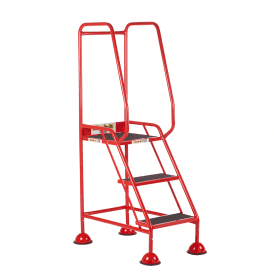
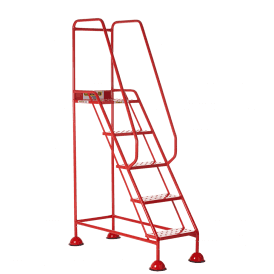
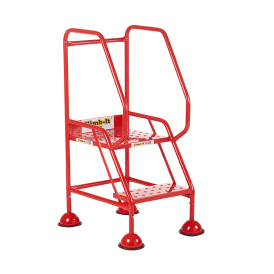
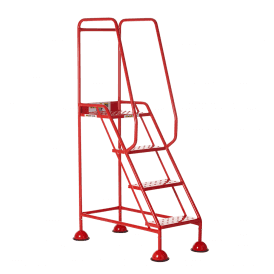
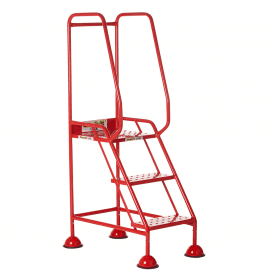
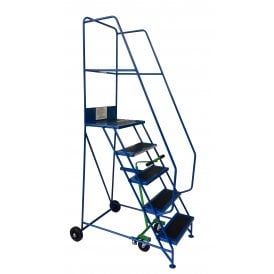
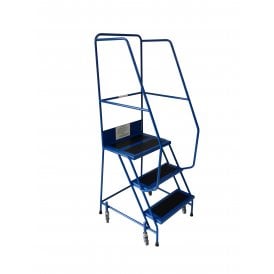
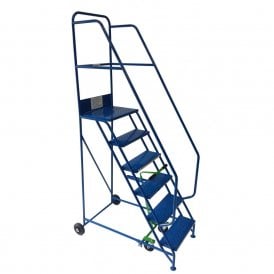
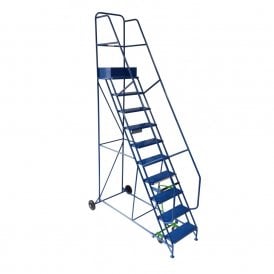
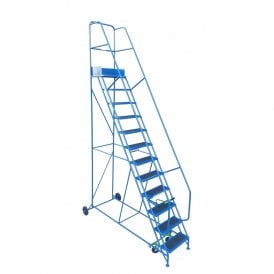
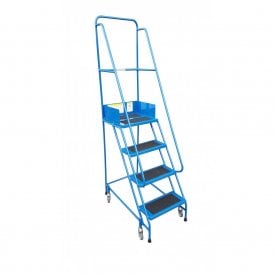
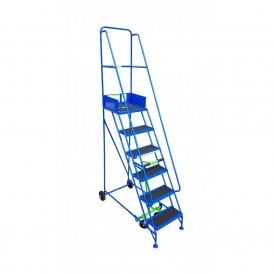

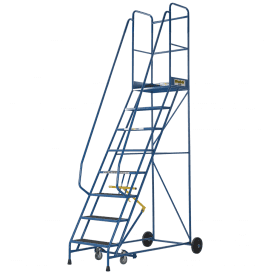
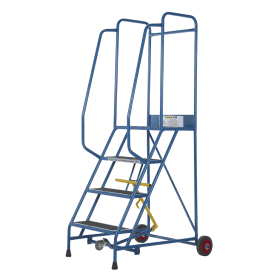
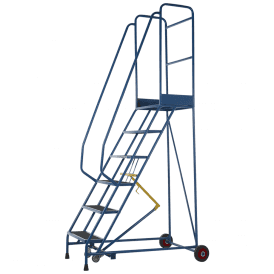
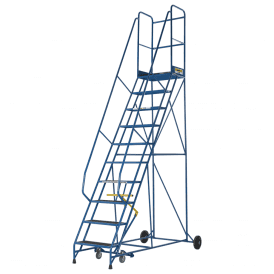
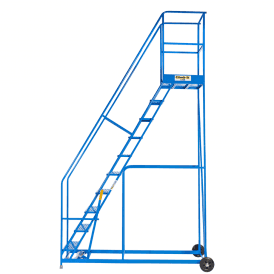
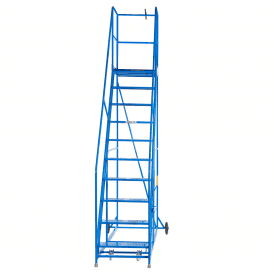
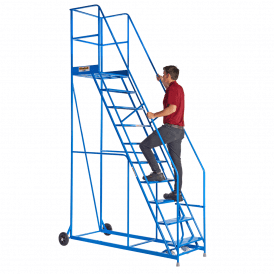
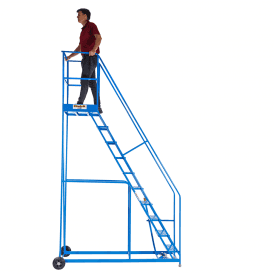
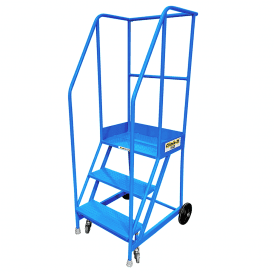
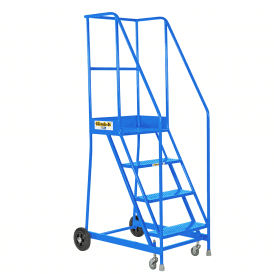
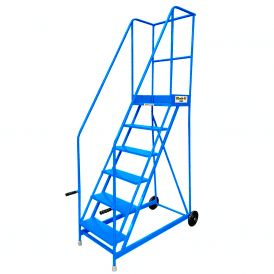
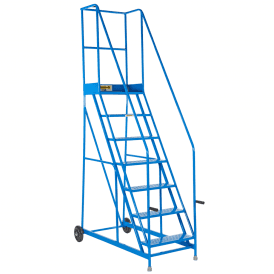
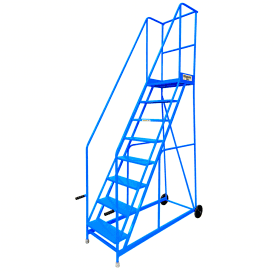
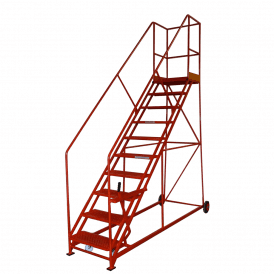
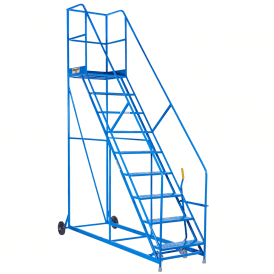
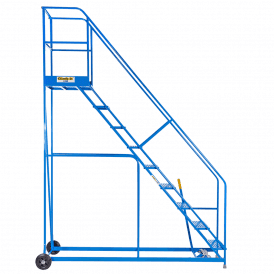
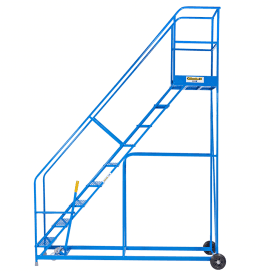
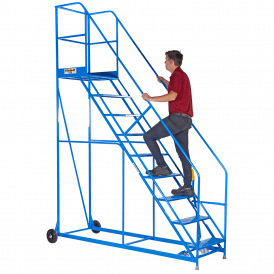
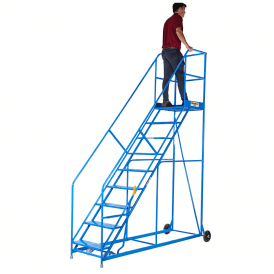
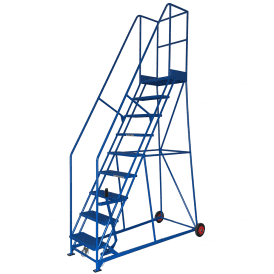
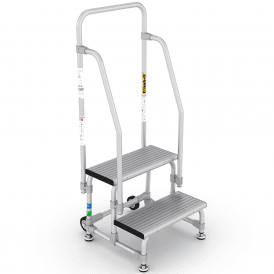
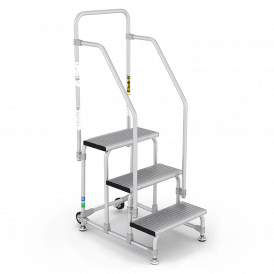
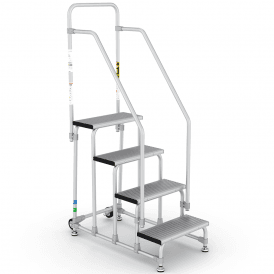
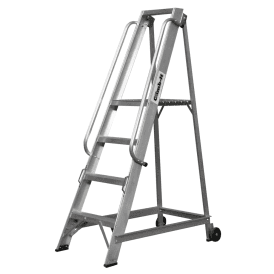
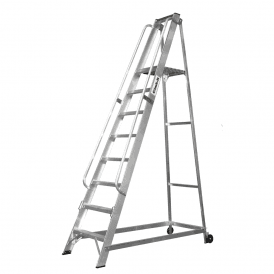
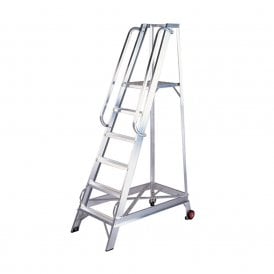
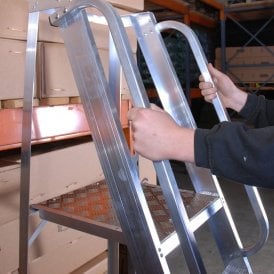

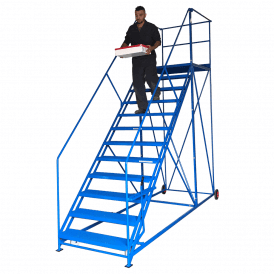
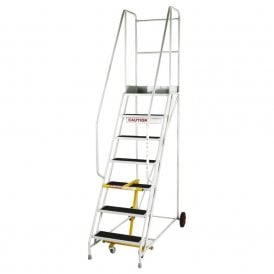
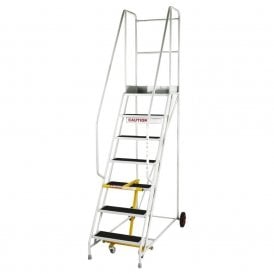
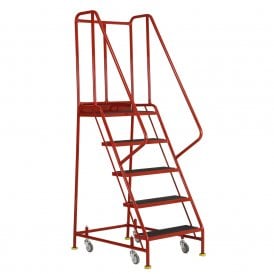
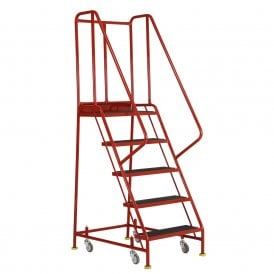
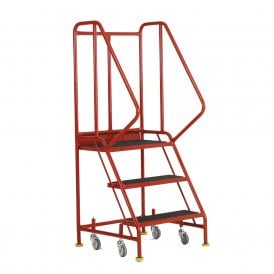
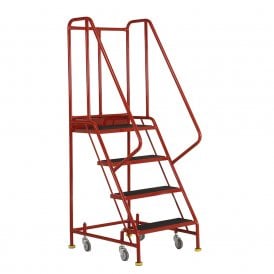
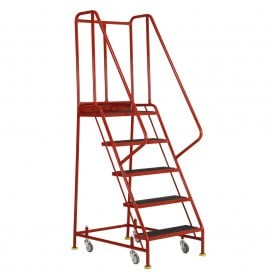
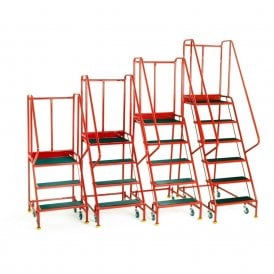
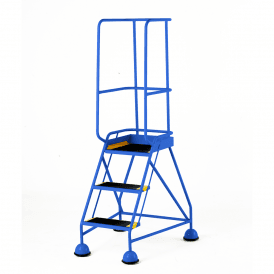
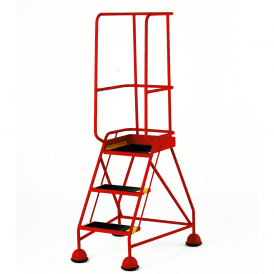
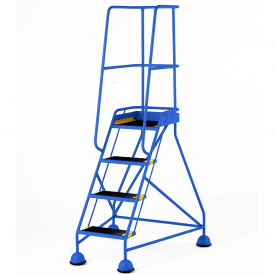
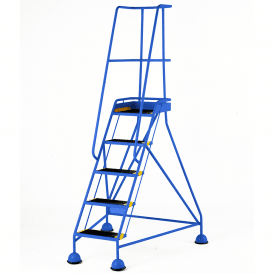
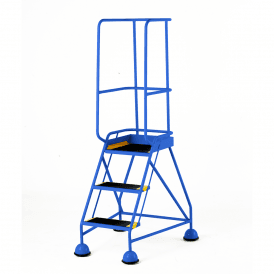
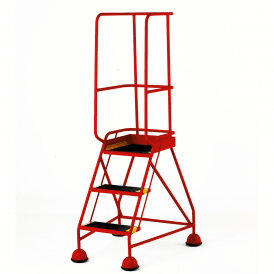
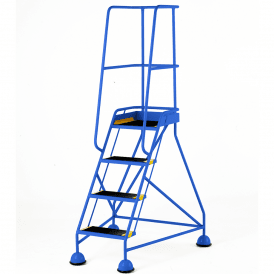
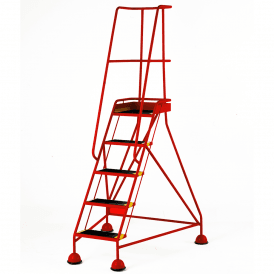

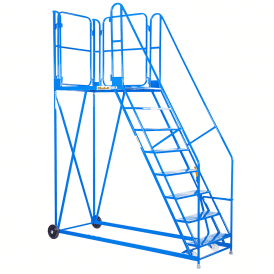
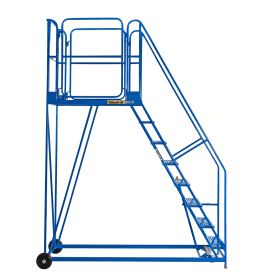
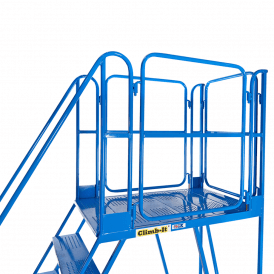
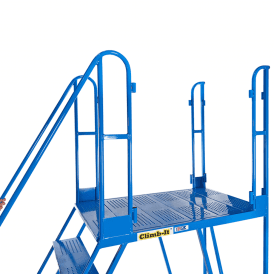
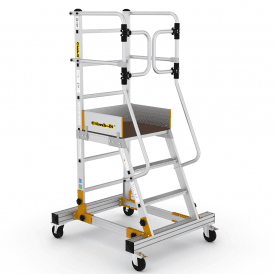
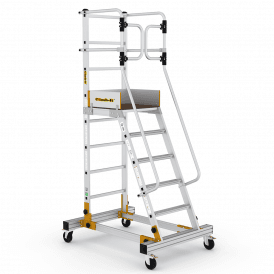
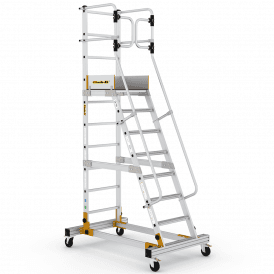
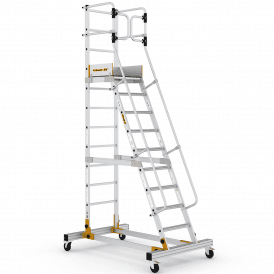
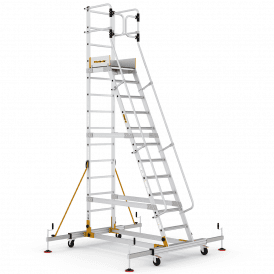
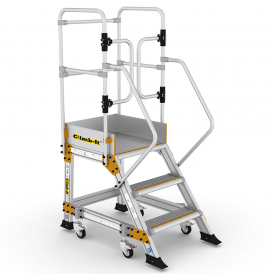
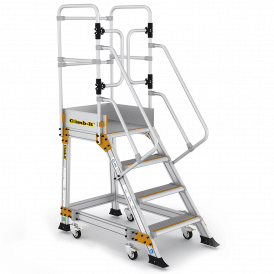
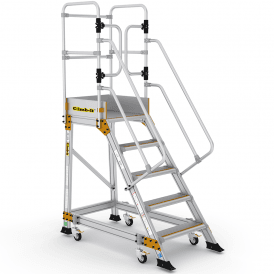
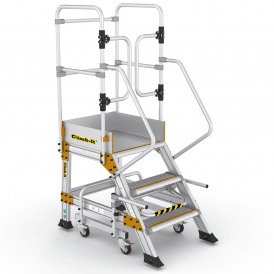
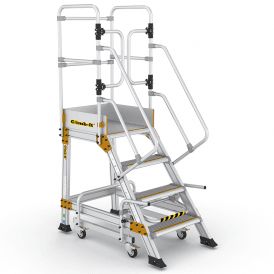
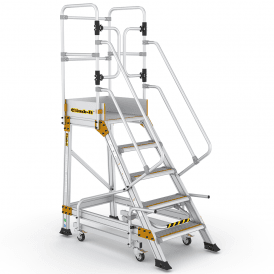
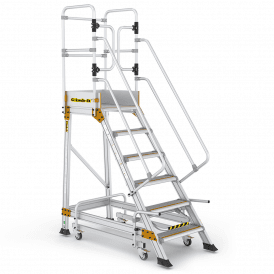
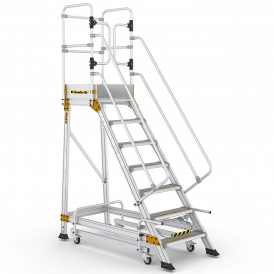
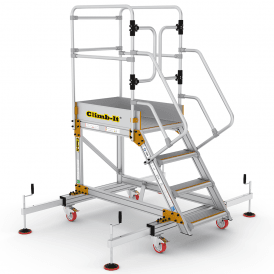
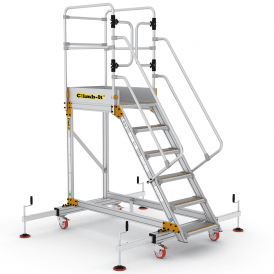
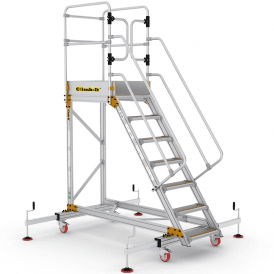
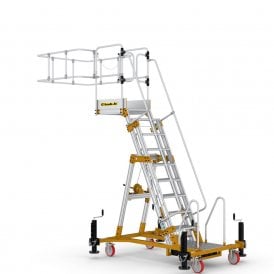
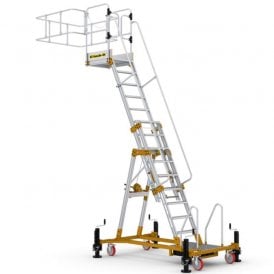
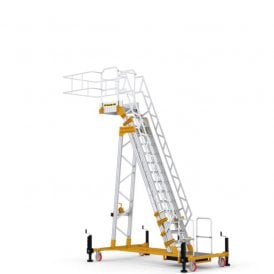
Mobile Steps – Safe, Reliable, and Versatile for Every Workplace
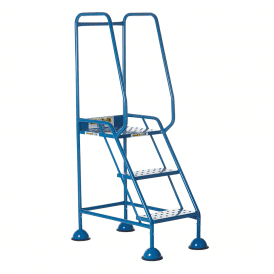
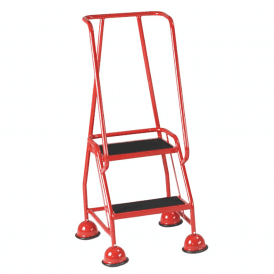
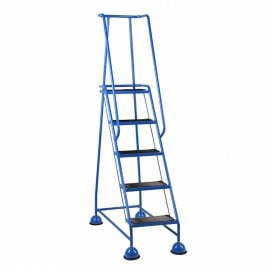
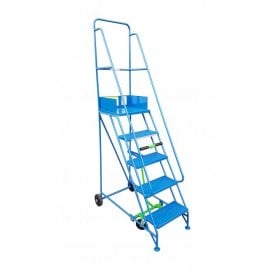
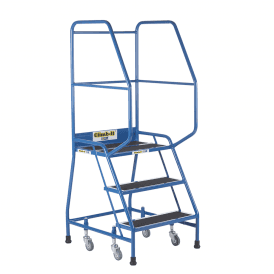
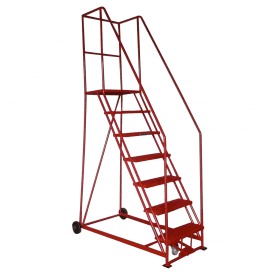
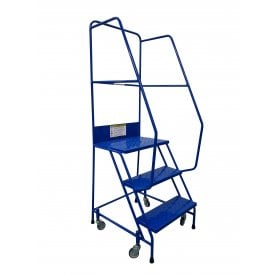
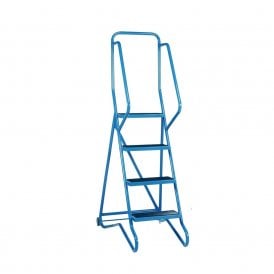
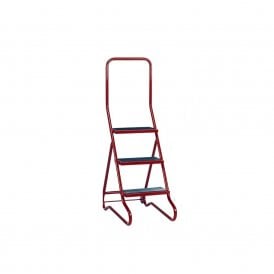
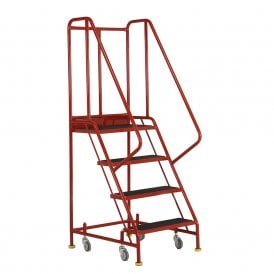
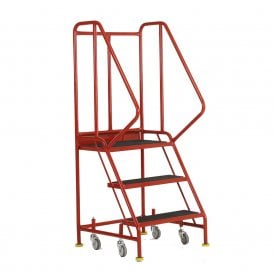
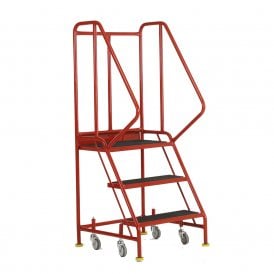
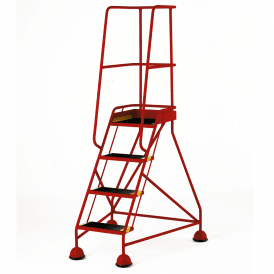
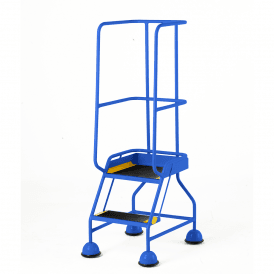
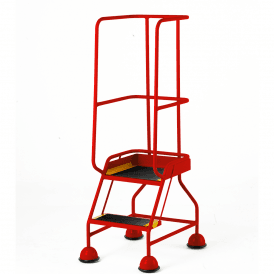
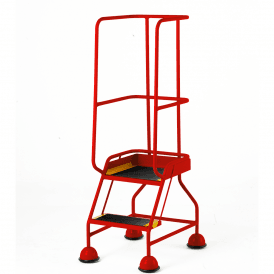
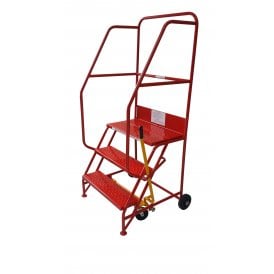
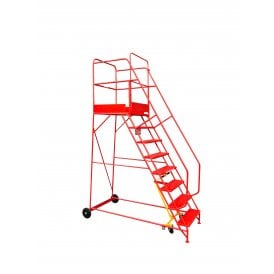
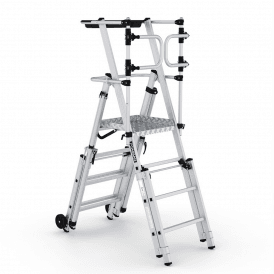
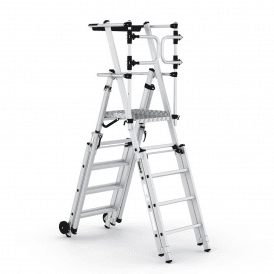
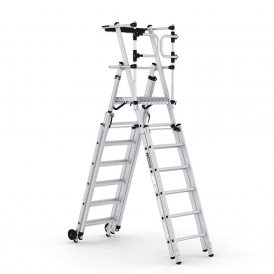
PARRS offers a wide range of mobile steps to suit different workplace needs and budgets. Our collection includes light-duty steps, perfect for retail stores, schools, and everyday tasks. Models such as Redhill’s two-step mobile steps and wheel-along safety steps are lightweight, easy to manoeuvre, and sturdy enough to access shelves, cupboards, or low-level storage.
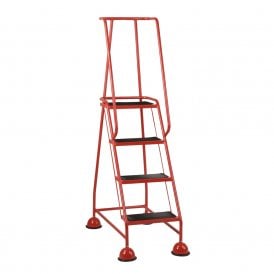
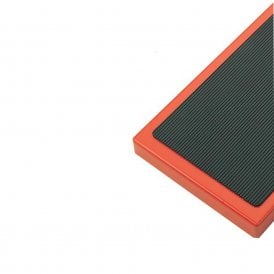
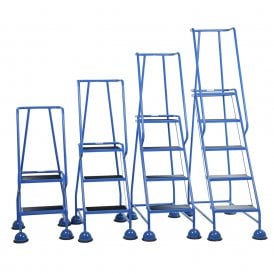
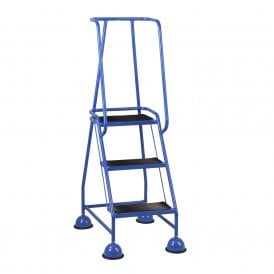
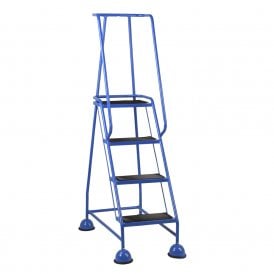
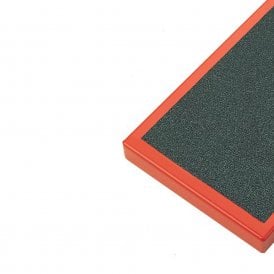
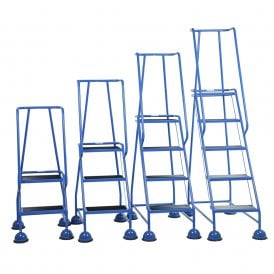
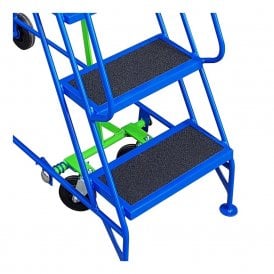
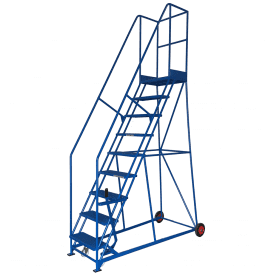
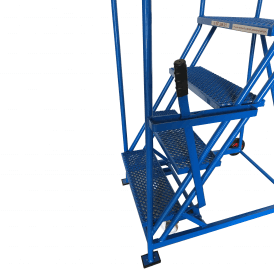
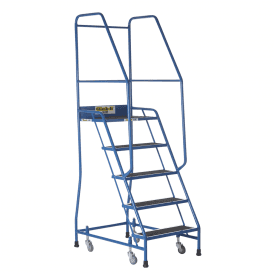
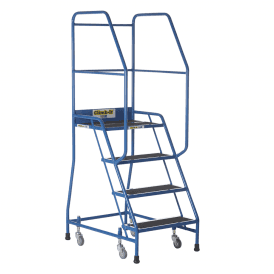
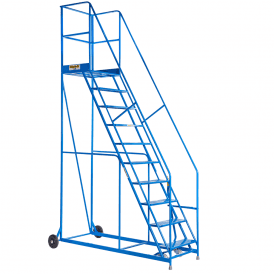
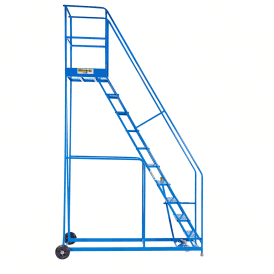
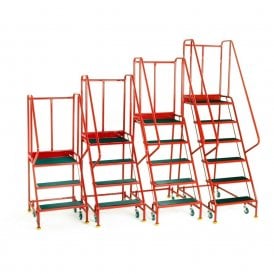
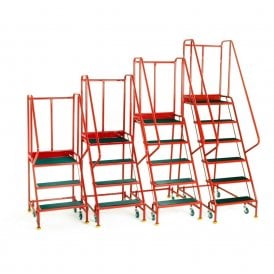
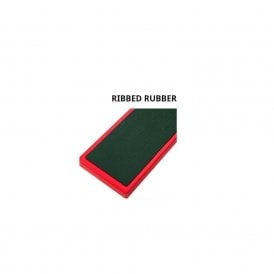
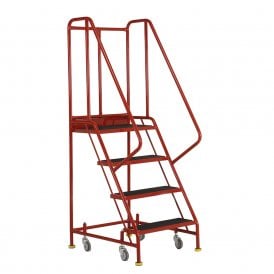
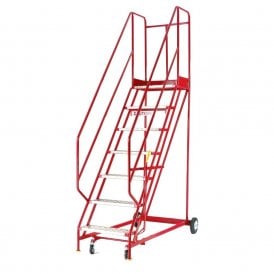
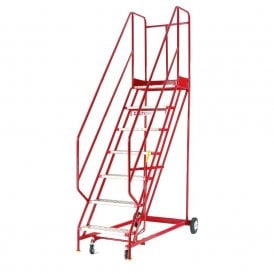
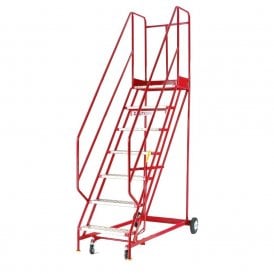
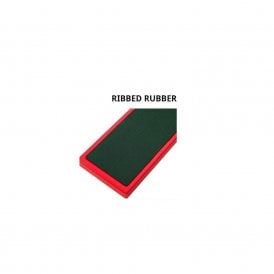
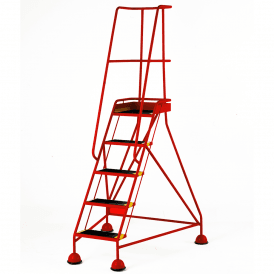
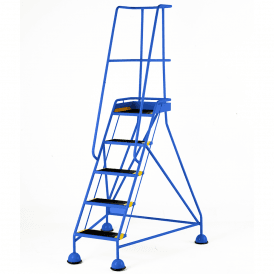
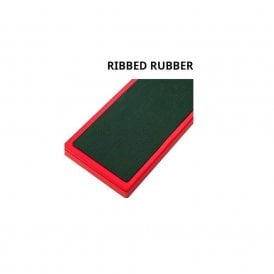
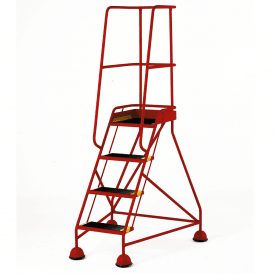
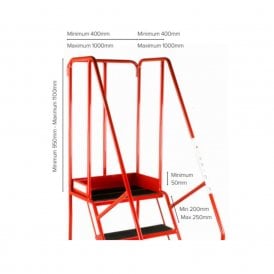
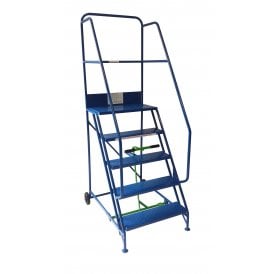
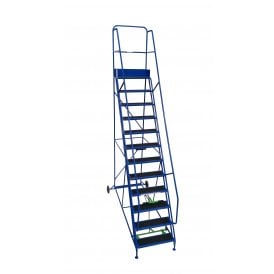
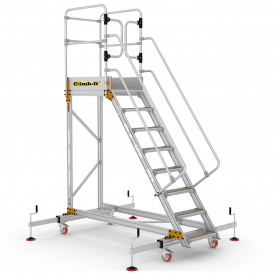
For more demanding environments like warehouses and factories, we provide industrial-grade mobile steps. Many feature parallel steel handrails for extra stability and rubber-covered treads for better grip. Platform heights range from 50cm for small tasks to nearly 5 metres for accessing high warehouse racking.
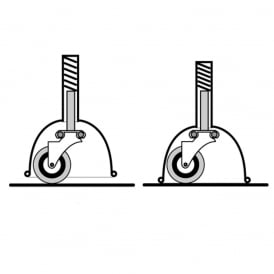
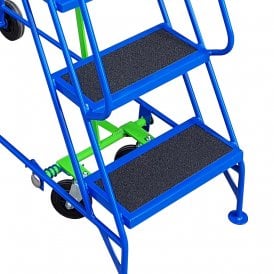
Mobile Warehouse Steps are widely used across industries to safely reach stock stored on pallet racking or shelving. Most designs have rear castor wheels and front rubber feet, allowing easy positioning and secure locking when weight is applied. We also supply Redhill Mobile Safety Steps with spring-loaded castors that retract under pressure, keeping the unit firmly in place. This combination of mobility and stability makes them ideal for busy workplaces.
Buying Guide – Choosing the Right Mobile Steps
Selecting the right mobile steps for your needs involves considering several factors to make an informed decision:
Working Height: Measure the distance between your waist and shoulders when standing on the platform. Ensure the steps' working height aligns with your requirements.
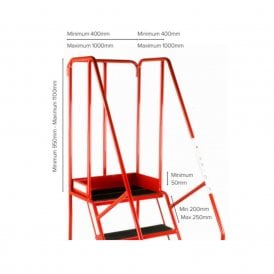
Working Platform: Commercial and Industrial ranges typically offer a 400mm deep platform. Contact us if you need customization or additional options for your specific needs.
Space Constraints: Consider doorways, ceilings, lights, and beams to ensure easy access to designated areas. Check for any potential obstacles based on the height of the steps
Weight Capacity: Ensure the steps can safely support both the user's weight and any materials they may handle during use.
Storage Considerations: Assess available space for storing the steps. Compact options like narrow aisle steps are easier to store. Avoid storing products outdoors or in freezing temperatures, and keep them in a clean, dry environment to prevent damage and rust.
Additional Recommendations: If you're seeking a more extended guarantee, we recommend considering options such as Aluminium Mobile Warehouse Steps 3-12 Tread from Climb-It or Aluminium Mobile Warehouse Steps 5 - 8 Tread from PARRS.
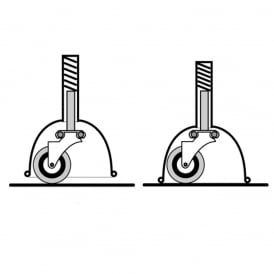
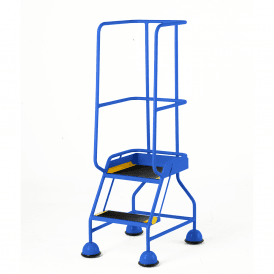
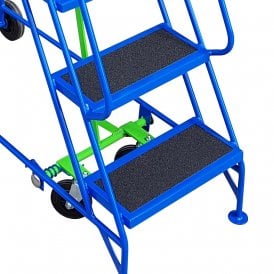
A firm favourite is PARRS range of domed feet mobile safety steps. Choose from the Climb It range which is new to our website, UK-manufactured and available within 3 days. Or the well-established Redhill domed feet steps. Also, UK manufactured so offers great quality at affordable prices. When the steps have weight applied the spring-loaded castors depress into the domed feet so that the steps are stable and cannot move, as soon as the operator exits the steps they are again free to move.
Mobile Warehouse Steps Q & A's
Q: Why should you pick PARRS for your safety steps?
A: Opting for PARRS for your safety steps has several compelling benefits. PARRS not only prioritizes quality and reliability but also offers added value. Enjoy free delivery in the UK on orders over £150 or opt for next-day delivery. Additionally, PARRS provides a generous 3-year guarantee, ensuring not only the safety but also the lasting durability of your chosen safety steps. Choose PARRS for a seamless blend of quality, convenience, and customer-centric services.
Q: How do foot lock and hand level locking bars differ in their functions and usability?
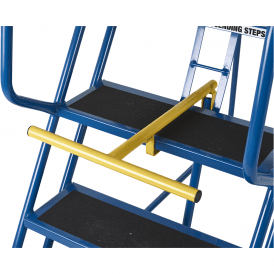
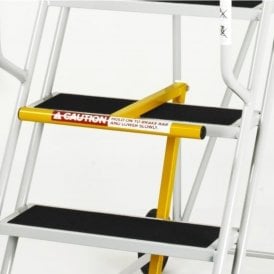
A: Foot lock and hand level locking bars differ in how they are operated and contribute to the usability of safety steps. The foot lock is engaged or disengaged using your foot, providing a hands-free operation, while the hand level locking bar requires manual adjustment with your hands. The choice between the two depends on personal preference and the convenience of operation in specific situations.
Q: What's the purpose of a 45-degree slope mobile safety step, and how does it help you reach different places more easily?
A: The purpose of a 45-degree slope mobile safety step is to facilitate effortless movement up and down the steps. This design not only enhances ease of use but also enables users to turn around and descend while facing forward. In essence, the 45-degree slope is strategically crafted to make navigating the safety step more convenient and user-friendly, ensuring smoother access to various locations.
Q: What is the difference between steel and aluminium safety steps? How do you know which one suits your requirements?
A: The difference between steel and aluminium safety steps lies in their material composition and characteristics. Steel is known for its robustness and durability, making it suitable for heavy-duty applications. On the other hand, aluminium is lightweight and corrosion-resistant, making it a more portable option. To determine which one suits your requirements, consider factors such as the intended use, weight capacity needed, and the level of portability desired. If you need a sturdy and durable option for heavy use, steel may be preferable, while aluminium might be the choice for those prioritizing lightweight and corrosion-resistant properties.
Q: What exactly is PVC (polyvinyl chloride)?
A: PVC, or polyvinyl chloride, is a robust material renowned for its weather resistance, making it a common choice in construction. Its durability extends to chemical resistance and non-conductivity, making it indispensable in advanced applications like wire and cable technology.
Q: What is the purpose of Domed Feet?
A: Domed feet safety steps are designed for easy gliding across floors. When one's body weight is applied, they stay securely in position, providing stability and support.
Q: What are the differences between punched steel tread and PVC tread?
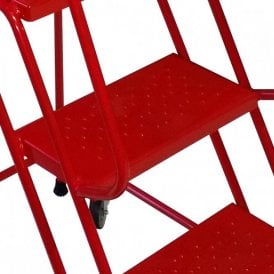
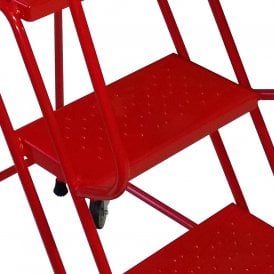
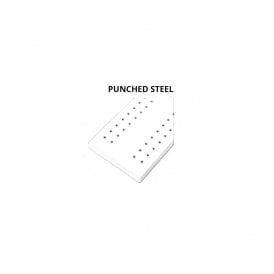
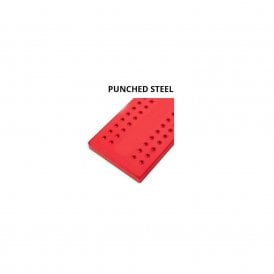
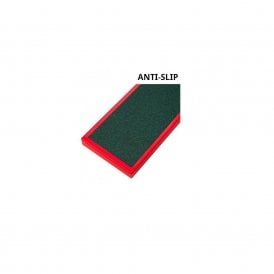
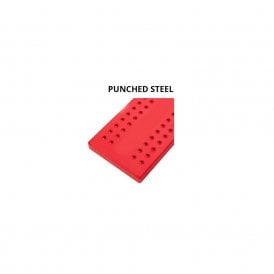
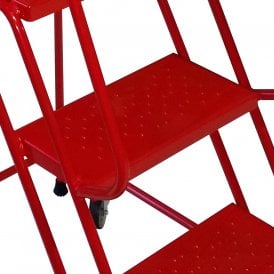
A: The choice between punched steel and PVC tread depends on your requirements. Punched steel tread may be suitable if you prioritize durability and enhanced grip. Conversely, if you are looking for a non-slip surface with resistance, PVC tread could be the preferable option. Consider the intended use and conditions to make an informed decision based on your needs.
Q: What sets expanded steel apart from punched steel, and how does this affect the performance of safety steps?
A: the choice between expanded and punched steel depends on specific requirements. If weight and drainage are priorities, expanded steel may be preferred. For a solid and sturdy surface with reliable traction, punched steel might be a suitable choice for safety steps.
Q: What's the difference between ripped rubber treads, anti-slip treads, punched steel treads, and aluminium treads?
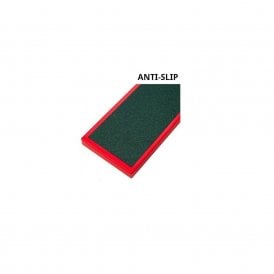
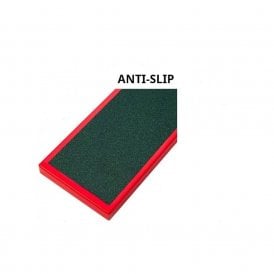
A: Choosing between these treads depends on your specific requirements. If you prioritize slip resistance, ripped rubber or anti-slip treads may be suitable. For heavy-duty use, punched steel treads provide durability. If portability is key, aluminium treads offer a lightweight option with corrosion resistance. Assess your needs to determine which type of tread best suits your intended application.