
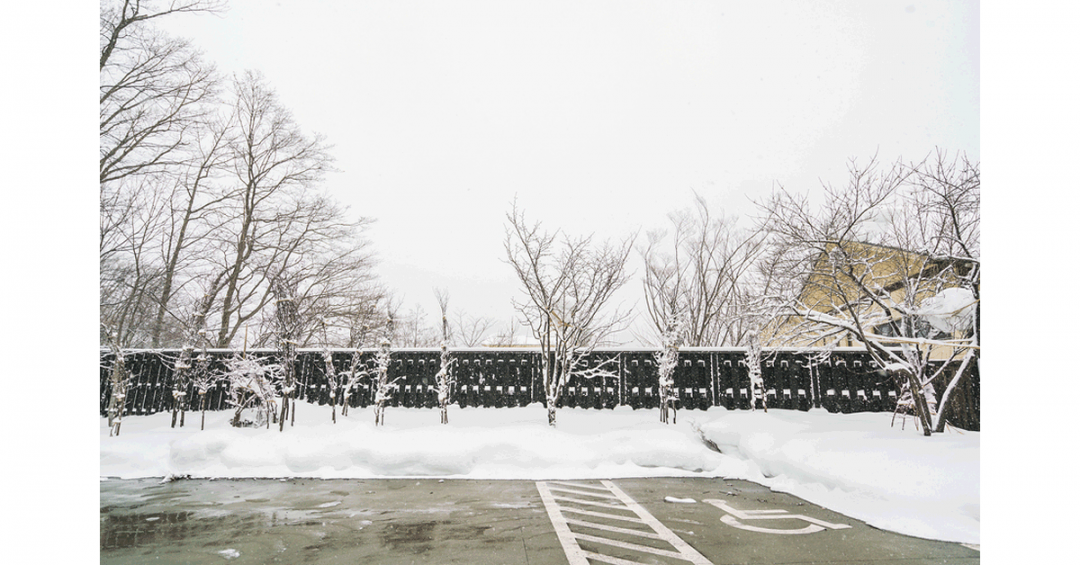
Winter in the UK can be beautiful — sparkling lights, crisp mornings, and cosy jumpers. But for many businesses, the season also brings icy roads, snow, frost, and freezing temperatures that disrupt operations, delay deliveries, create hazards, and increase costs.
The good news? Winter disruption is largely preventable. Whether you manage a large facility, run a small business, or oversee workplace safety, being proactive makes all the difference.
In this guide, we’ll explore how winter weather impacts businesses and share practical steps to help you prevent disruption and keep operations running smoothly this winter.
1. Understanding the Impact of Winter on Your Business
Even a light frost can have serious consequences. Each UK region experiences winter differently: light frosts in the South, freezing rain and snow in the Midlands, and heavy snowfall in Scotland. Despite this, no business is immune.
Common winter challenges include:
- Transport and delivery delays – icy roads and snow can disrupt logistics, affect suppliers, and delay customers.
- Slips, trips, and falls – frozen car parks and walkways increase workplace injury risk.
- Operational downtime – snow blocking entrances, fire exits, or loading bays.
- Equipment failure – cold weather can affect batteries, engines, machinery, and electronics.
- Property damage – frozen pipes, blocked gutters, roof strain, and water leaks.
Why it matters: Preventing these issues helps protect your people, save time and money, and avoid unnecessary disruption. Understanding these risks allows you to take proactive measures, rather than reacting when problems occur.
2. Keep Walkways, Entrances & Car Parks Safe
Slips and falls are one of the top causes of workplace injury during winter. Under UK law, businesses have a duty of care to maintain safe premises. Failing to do so can result in accidents, legal claims, and reputational damage.
Step-by-step guidance for safety:
- Position grit bins strategically – entrances, car parks, and main walkways should have easy access.
- Stock de-icing salts:
- Brown rock salt – fast-acting, provides extra grip, ideal for large outdoor areas; may leave a gritty residue.
- White de-icing salt – clean, residue-free, almost 100% pure sodium chloride, perfect for footpaths, playgrounds, and commercial estates.
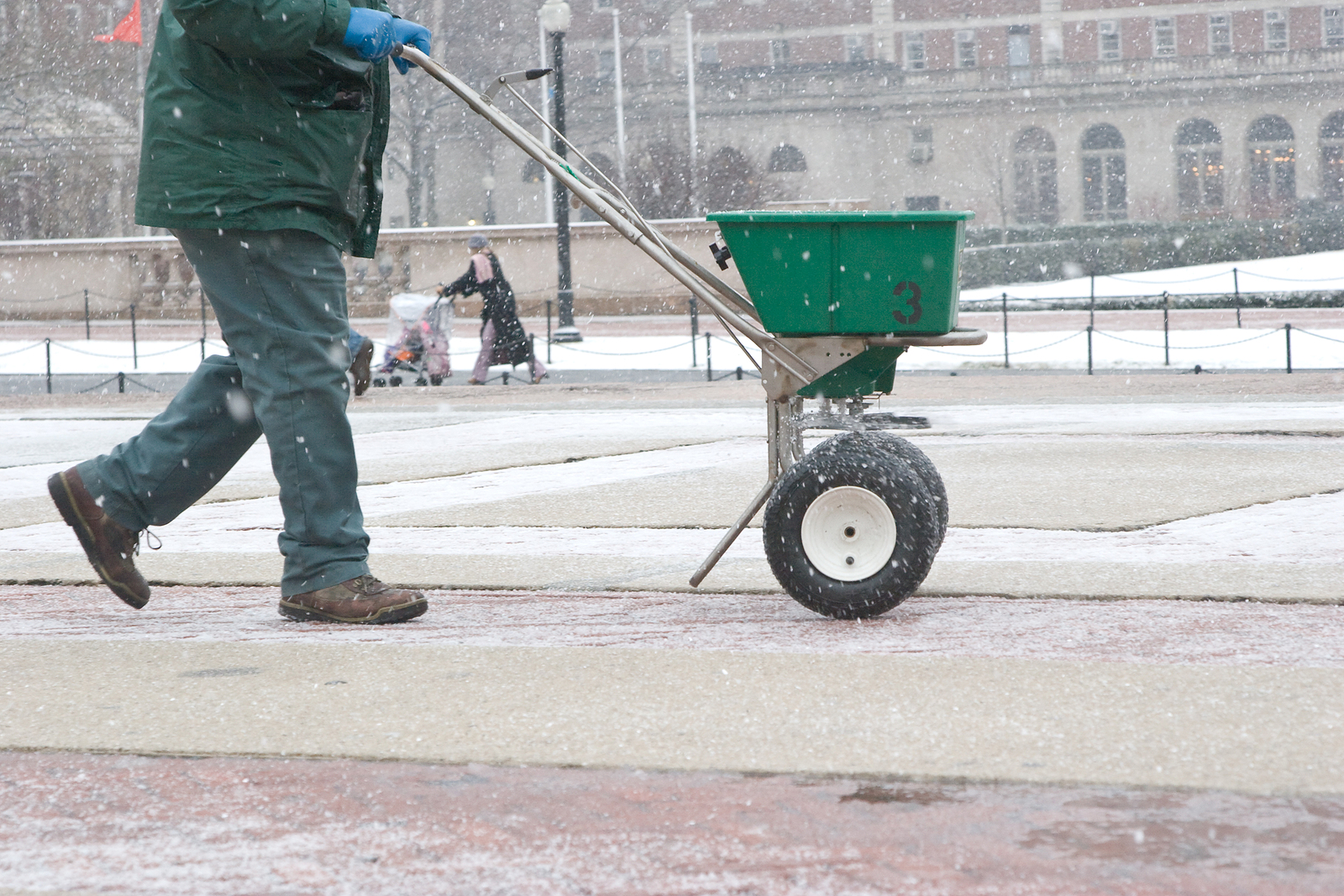
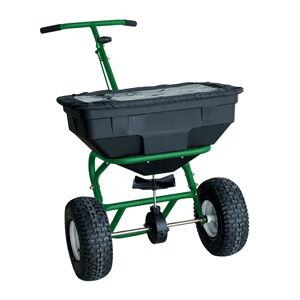
- Use salt spreaders for even coverage and to reduce waste.
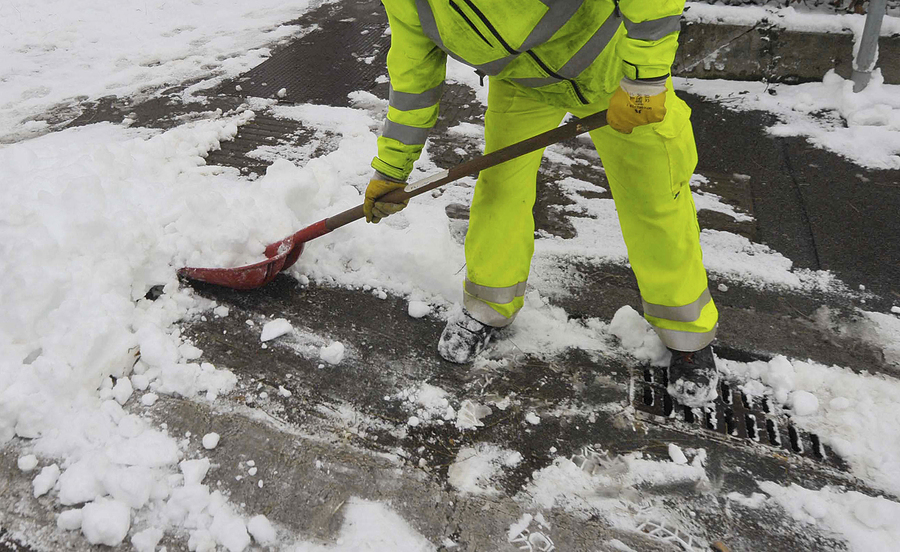
- Clear snow promptly with snow shovels, pushers, or ploughs before it compacts into ice.
- Erect clear warning signs in recently treated or slippery areas.
- Inspect regularly – refreeze can occur during the day, so check paths and car parks multiple times.
Extra tips:
- Apply de-icing salt before snowfall if possible for preventative measures.
- Reapply salt after heavy snowfall or rainfall to maintain traction.
- Check grit bins weekly to ensure sufficient stock levels.
- Use eco-friendly or biodegradable salts to protect animals or vegetation.
- Train staff on safe snow clearing and gritting procedures.
By following these steps, you reduce accidents and show your staff and visitors that safety is a priority.
3. Prepare Vehicles & Delivery Operations
Winter can cause serious disruption to transport and deliveries. A few hours of snow or ice can delay shipments, affect customer satisfaction, and disrupt the supply chain.
Winterising your fleet:
- Check tyres, batteries, antifreeze, and wipers regularly. Replace any worn or faulty parts.
- Keep loading bays and ramps clear using snow shovels, pushers, or a compact snow plough.
- Plan flexible schedules – include extra time for delays and communicate changes clearly to drivers and customers.
- Review insurance and breakdown cover – ensure it includes winter-related incidents.
Tip: Even small delays in deliveries can ripple across operations. Proactive planning prevents larger operational issues.

4. Protect Your Staff and Workplace
Your staff are your most valuable asset. Cold, unsafe, or uncomfortable working environments can reduce morale, increase absenteeism, and affect productivity.
Practical steps to protect staff:
- Ensure efficient heating and insulation throughout your premises.
- Provide training for safe use of snow-clearing tools and de-icing salts.
- Keep emergency supplies (first aid kits, torches, blankets) accessible.
- Offer flexible working arrangements or remote work during severe weather.
Employees who feel supported in winter are safer, more productive, and more motivated.
5. Maintain Equipment & Infrastructure
Cold weather affects more than people — it takes a toll on buildings, machinery, and vehicles. Regular maintenance prevents expensive emergencies.
Winter Maintenance Checklist:
- Inspect heating systems, boilers, and electrical units before the cold sets in.
- Insulate pipes and water tanks to avoid freezing and burst pipes.
- Clear roofs and gutters of snow, ice, and debris.
- Store outdoor equipment safely when not in use.
- Test emergency lighting, sprinklers, and backup power to ensure functionality in freezing conditions.
Proactive maintenance saves costs and reduces the risk of downtime.
6. Plan Ahead for Severe Weather
The UK’s weather can change rapidly. A winter emergency plan ensures your business can respond effectively.
Emergency Plan Essentials:
- Assign roles and responsibilities to key staff.
- Maintain emergency contact lists for employees, suppliers, and contractors.
- Have clear communication procedures for closures, delays, or operational changes.
- Ensure backup heating, power, and fuel supplies.
- Conduct annual reviews to test and update your plan.
Preparedness keeps your business operational and staff safe, no matter the conditions.
7. Build Long-Term Winter Resilience
Even minor snowfall can lead to wider disruptions, including supplier delays, power outages, or transport interruptions. Building resilience is critical.
Strategies for resilience:
- Diversify suppliers to avoid single points of failure.
- Maintain generators and critical infrastructure for emergencies.
- Monitor energy usage and improve efficiency.
- Stay updated with Met Office alerts and local authority guidance.
Long-term planning protects your staff, operations, and reputation, ensuring your business can weather winter every year.
8. Choosing the Right Winter Products
Now that you understand how to prepare, the next step is ensuring you have the right products to keep your site safe, accessible, and compliant.
PARRS Winter Safety Range provides trusted, professional-grade equipment for UK businesses:
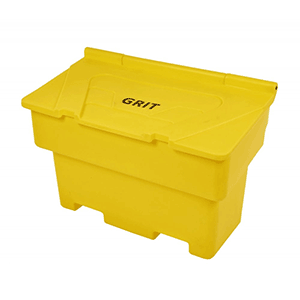
Grit Bins – durable storage for de-icing materials.
White De-Icing Salt – a clean, fast-melting option ideal for entrances, paths, and high-footfall areas where appearance and hygiene are important.
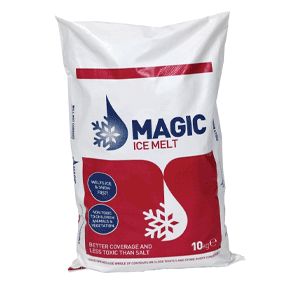

Brown Rock Salt – the budget-friendly choice for large-scale gritting across roads, car parks, and open spaces, offering extra grip thanks to its natural grit content.
Salt Spreaders – ensure even coverage with minimal waste.

Snow Shovels, Pushers & Ploughs – heavy-duty, efficient snow clearing.
Special offers: Some products are on sale at unbeatable prices with next-day delivery. Plus, get free UK delivery on orders over £150.
Have questions or need advice? Our friendly, expert team is ready to help you choose the right products and provide guidance tailored to your business.
Conclusion: Stay Safe, Stay Open, Stay Ahead
Winter doesn’t have to slow your business down. By combining planning, maintenance, staff protection, and the right equipment, you can prevent downtime, reduce risk, and keep operations running efficiently.
Explore the PARRS Winter Safety Range today and prepare your business for whatever winter weather brings.
Further Reading:
• Top Winter Maintenance Tools Every Business Needs — discover the essential tools for effective snow and ice management.
• PARRS Expert Tips for Workplace Winter Safety — expert-led insights to protect your people and premises all season long.