From 31st March 2025, the UK government will implement the Simpler Recycling legislation to standardise waste collection, making recycling more straightforward and consistent. If your business employs more than 10 full-time staff, it’s essential to grasp the implications of these changes. But don’t worry—PARRS is here to guide you through what you need to know to stay compliant.
Key Changes Coming in 2025
1. Waste Separation Requirements
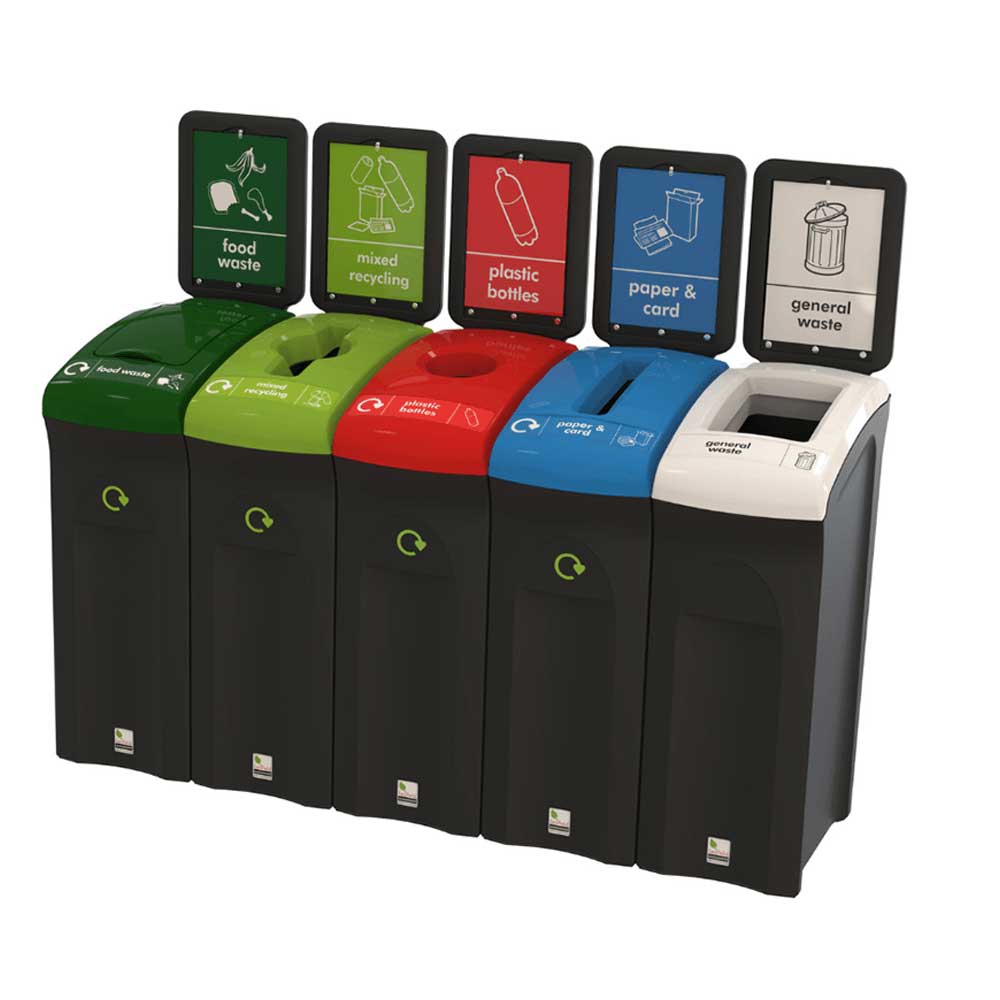
Businesses will be required to sort their waste into three specific categories:
- Mixed Dry Recycling: This includes glass, paper, cardboard, plastics, and metals, which should all be recycled together.
- Food Waste: Organic waste such as leftover food, fruit scraps, and vegetable peels must be collected separately to promote responsible disposal.
- General Waste: Non-recyclable Items will fall into this category.
This new classification system is designed to facilitate more effective recycling and to significantly reduce landfill contributions.
2. Food Waste Collection
If your establishment generates over 5kg of food waste per week—approximately the weight of a large bag of potatoes—you’ll need to arrange for a dedicated collection service with a licensed carrier. This is a vital step towards sustainable waste management practices.
3. Prohibited Disposal Methods
The use of equipment such as macerators for disposing of food waste through drains will be banned. All food waste must be collected and treated responsibly.
4. Introduction of Digital Waste Tracking
A new digital waste tracking system will be launched, which comes with a modest annual fee of £20. This system will help businesses monitor their waste from collection through to disposal, ensuring compliance and transparency.
Preparing Your Business for the Changes
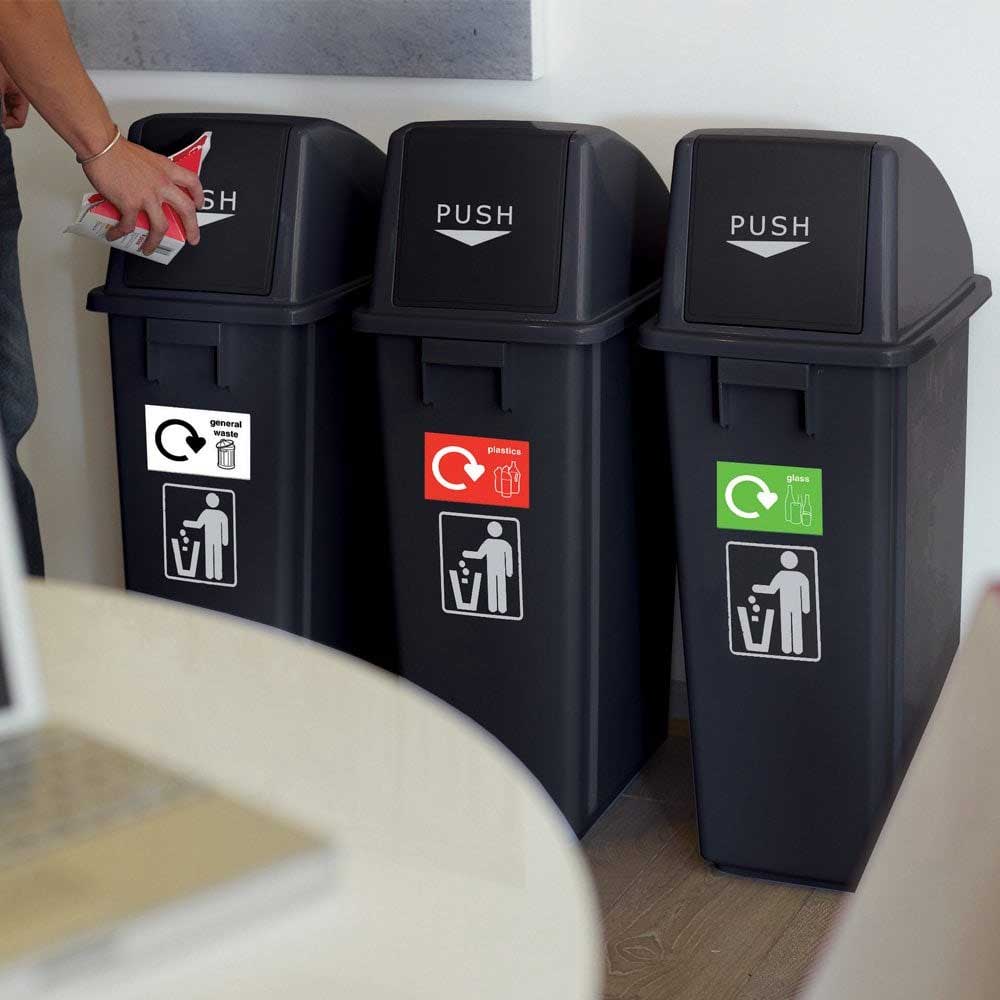
1. Implement Waste Separation Stations
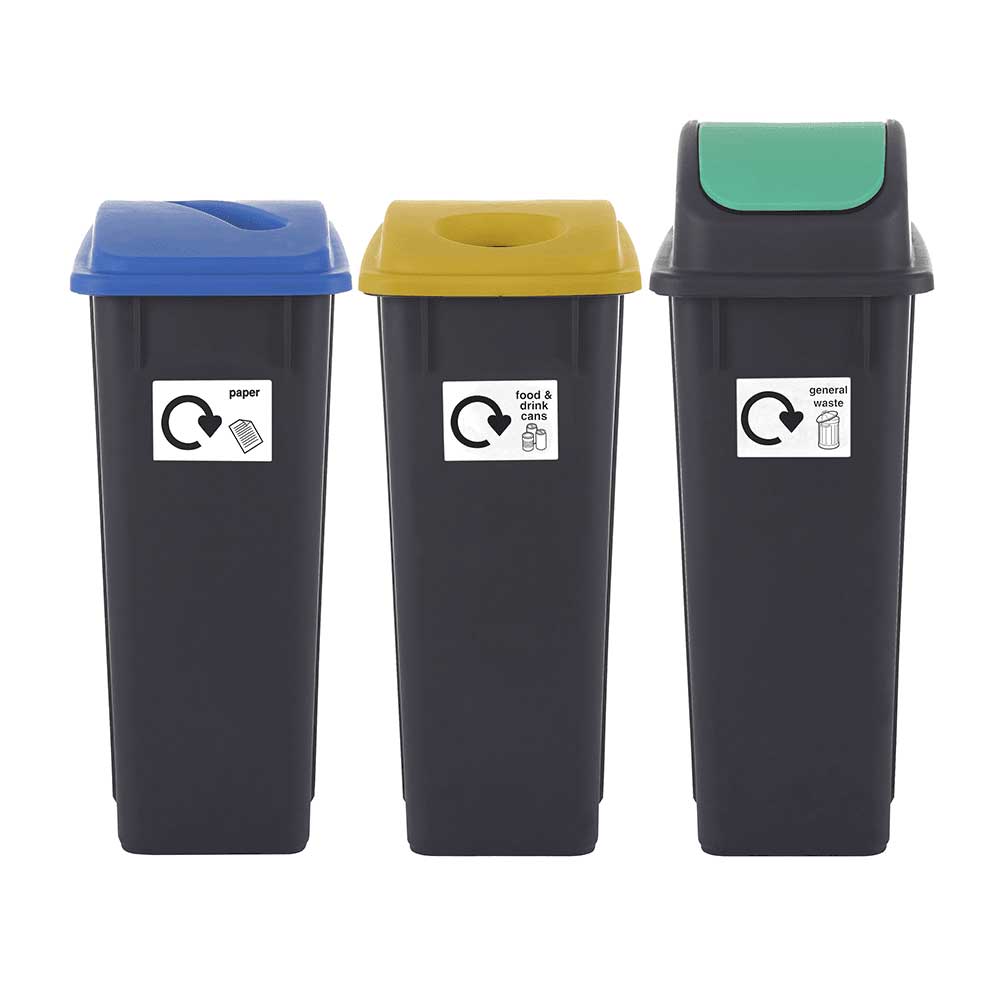
- Start by ensuring you have appropriate bins for each waste category:
- Recycling Containers: Designed for the collection of glass, plastics, cardboard, and metals.
- Food Waste Bins: Specifically for organic materials.
- General Waste Bins: For all non-recyclable items.
Clearly label each bin and position them in accessible locations to encourage proper disposal practices among your staff.
2. Conduct a Waste Audit
It’s beneficial to evaluate the types and amounts of waste your business generates. Follow these steps for an effective waste audit:
- Identify the waste categories you produce (recyclables, food waste, general waste).
- Measure the volume of each category over a week.
- Review current disposal methods to identify areas that may require adjustments for compliance.
3. Educate Your Employees
Providing training to your staff is crucial for the success of these new regulations. Ensure they understand how to sort waste correctly, the importance of compliance, and the locations of the designated bins. A well-informed team will greatly enhance your waste management efforts.
4. Register for Digital Waste Tracking
Don’t forget to sign up for the new digital tracking system, which will allow you to oversee the handling of your waste after collection. This simple tool will keep you aligned with the new regulations.
The Benefits of Complying with New Regulations
Adhering to these new rules offers numerous advantages beyond avoiding fines:
- Reduced Environmental Footprint: Properly sorting waste helps divert more materials from landfills, thus lowering carbon emissions and protecting the environment.
- Enhanced Corporate Image: Demonstrating a commitment to sustainability can significantly enhance your business’s reputation with customers and stakeholders.
- Cost Savings: By increasing recycling and reducing general waste, you may find savings on disposal costs—especially as landfill taxes continue to rise.
How PARRS Can Help
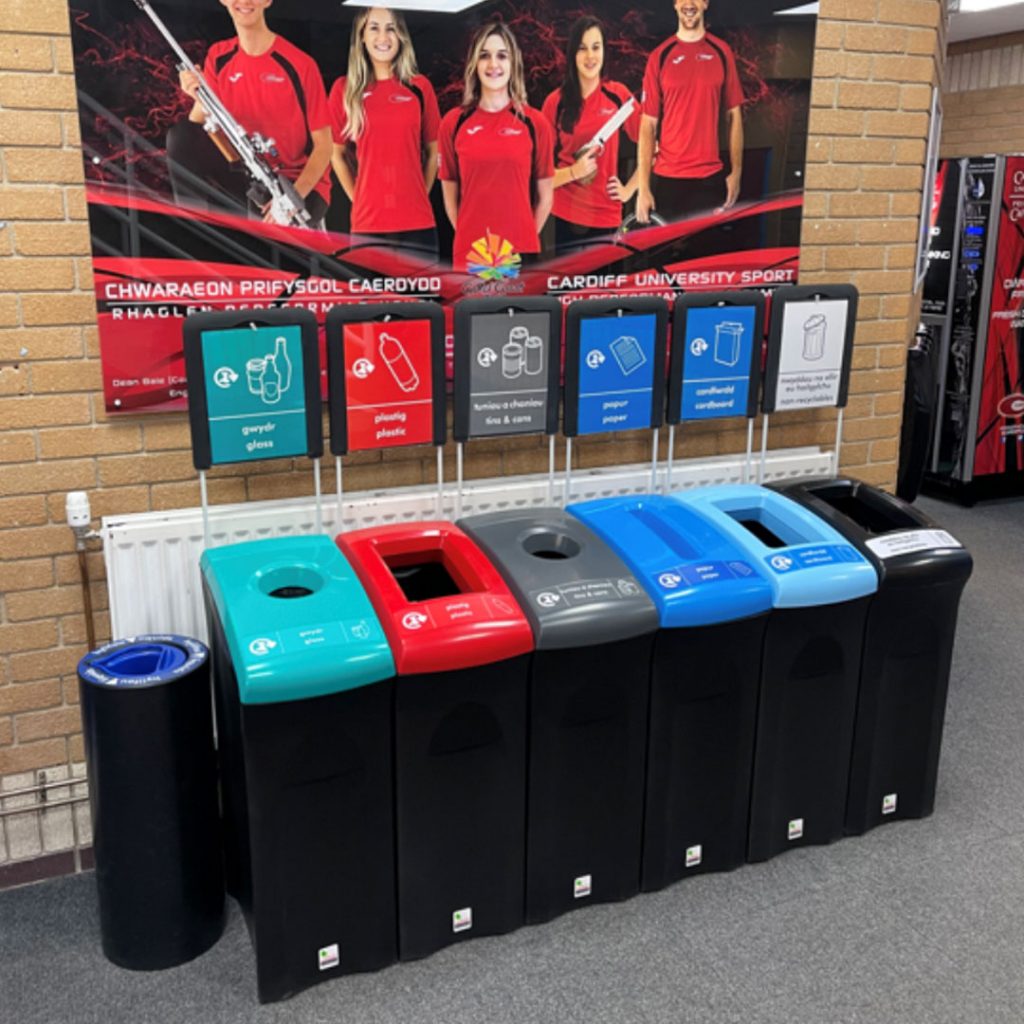
At PARRS, we are committed to supporting your business through this transition. We offer a diverse range of recycling bins and expert advice to ensure you are fully compliant with the new waste management regulations.
Feel free to reach out to us! You can call us at 01527 585777, send us an email at web@parrs.co.uk, or start a live chat on our website. We’re here to help!
By taking these proactive steps, your business will not only comply with the upcoming regulations but also contribute to a cleaner, greener future. Together, let’s make 2025 a year of positive change for our environment!